
Last updated September 22, 2026
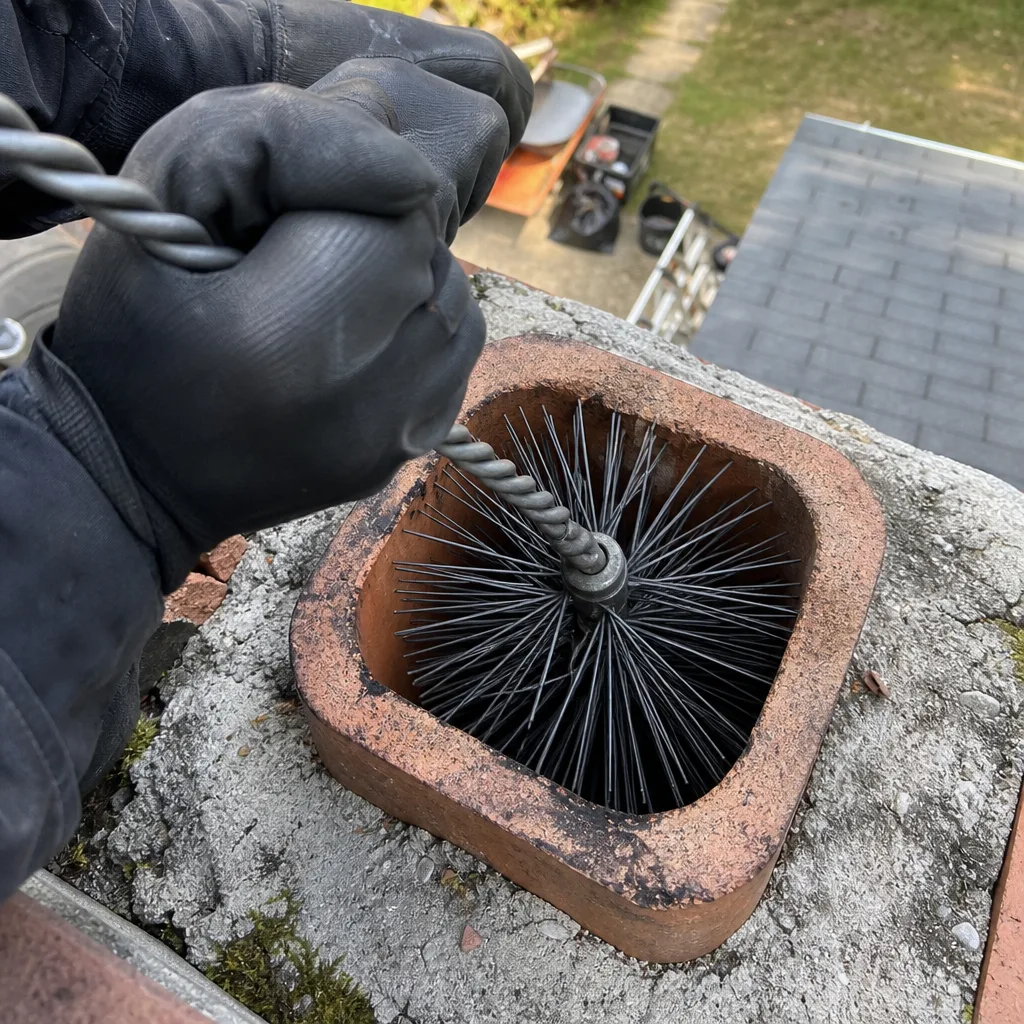
Level 1 sweep and inspection to the NFPA 211 annual standard - flue, crown, cap, and flashing checked and photographed
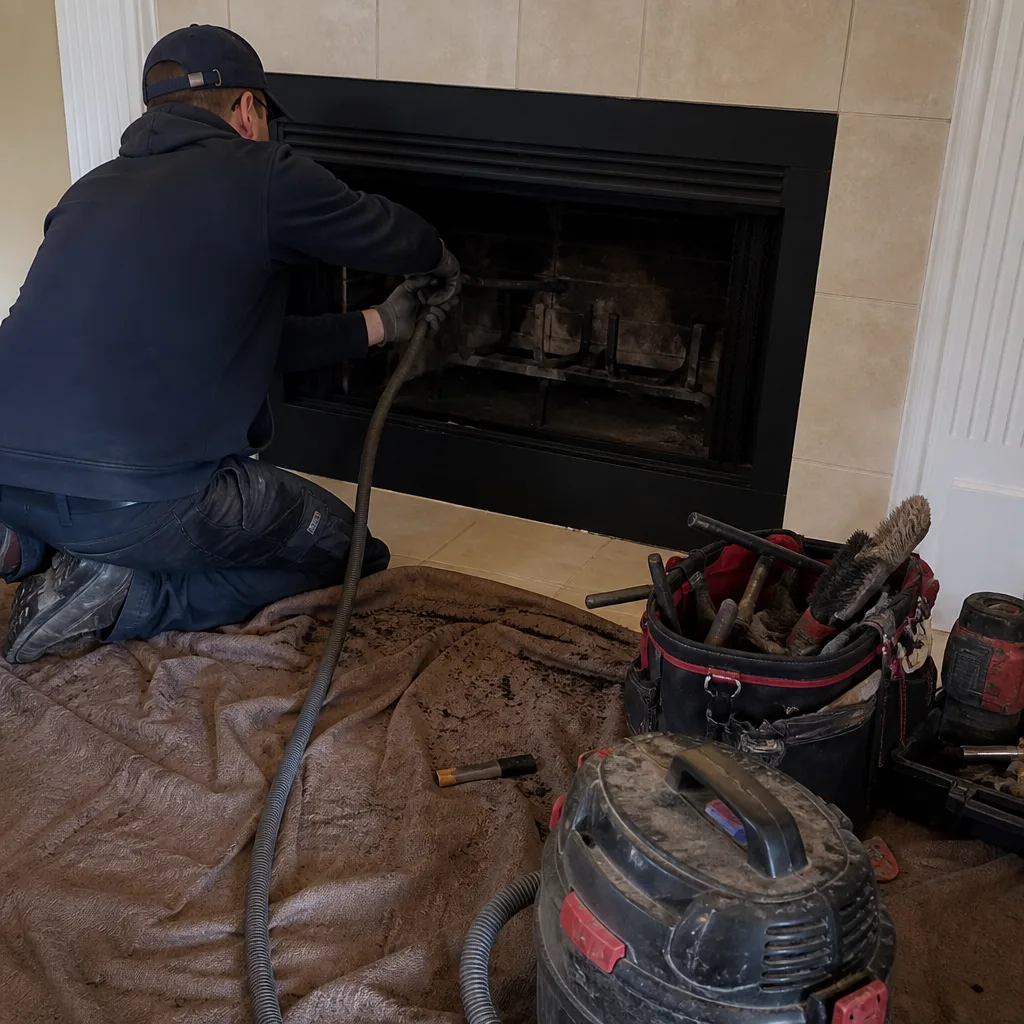
Chimney sweep logs do not sweep chimneys. They loosen some creosote - which then falls where a brush and vacuum still have to collect it.
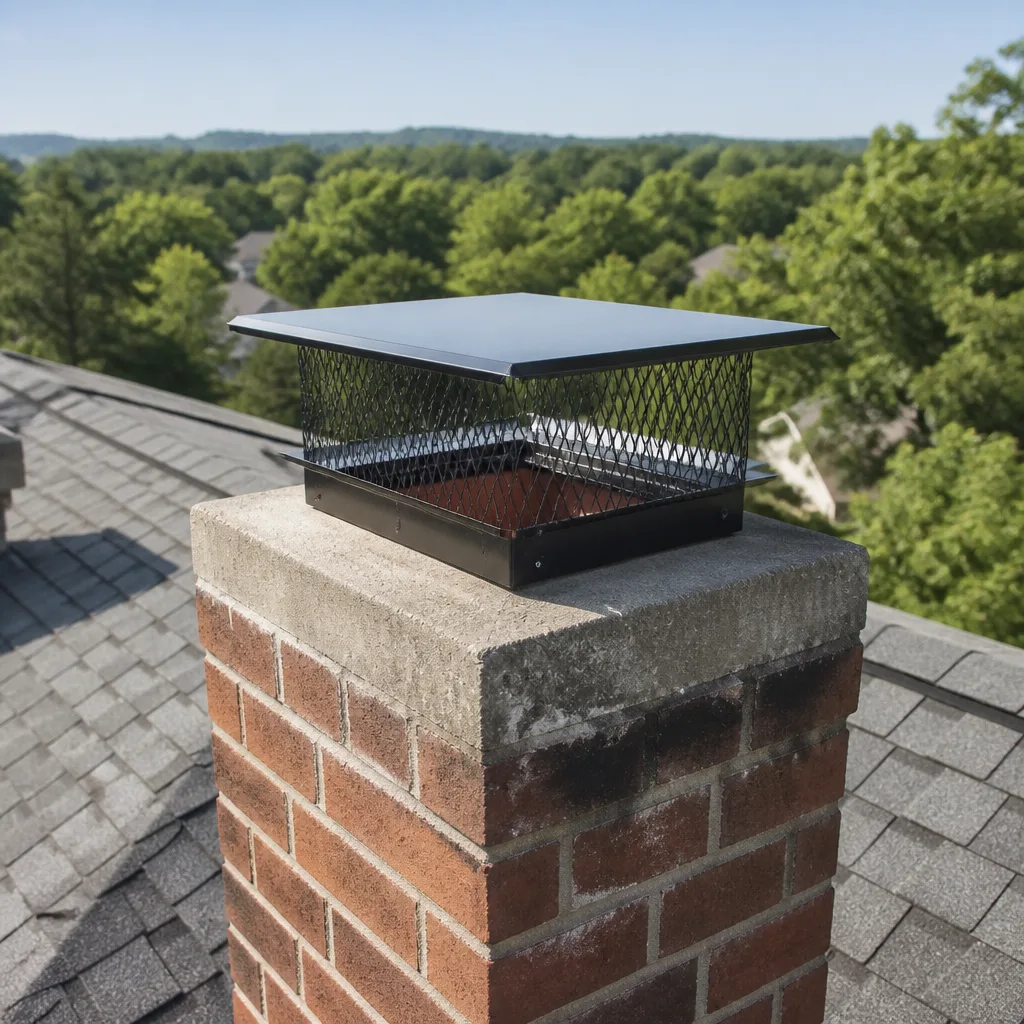
Caps & crowns
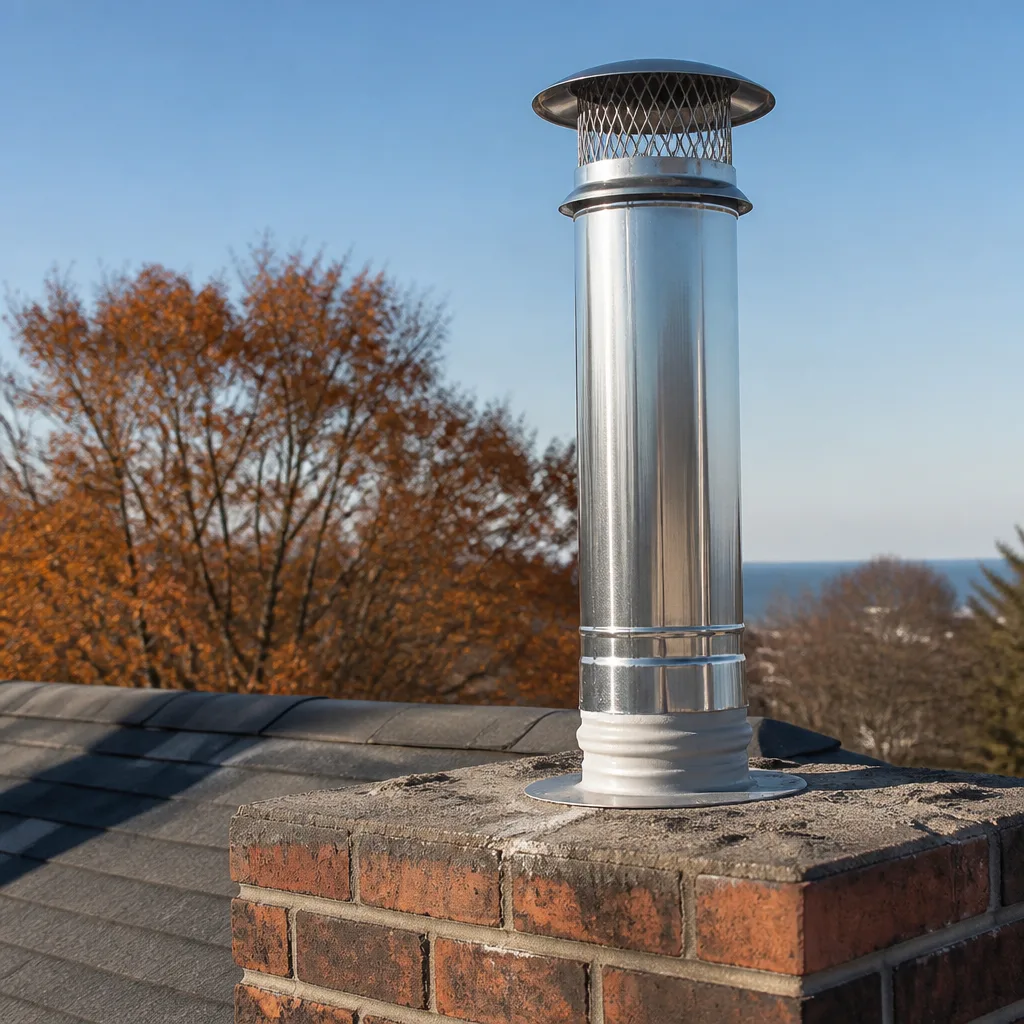
Masonry repair
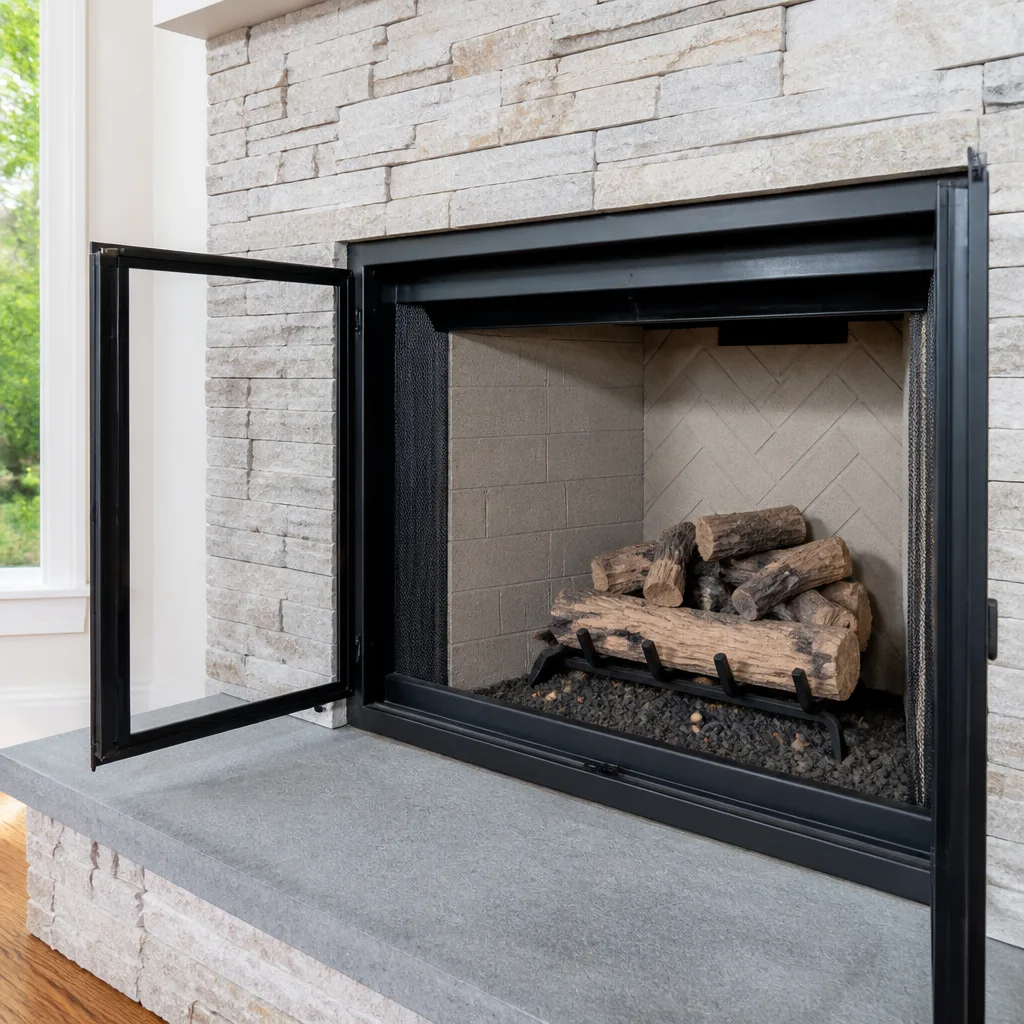
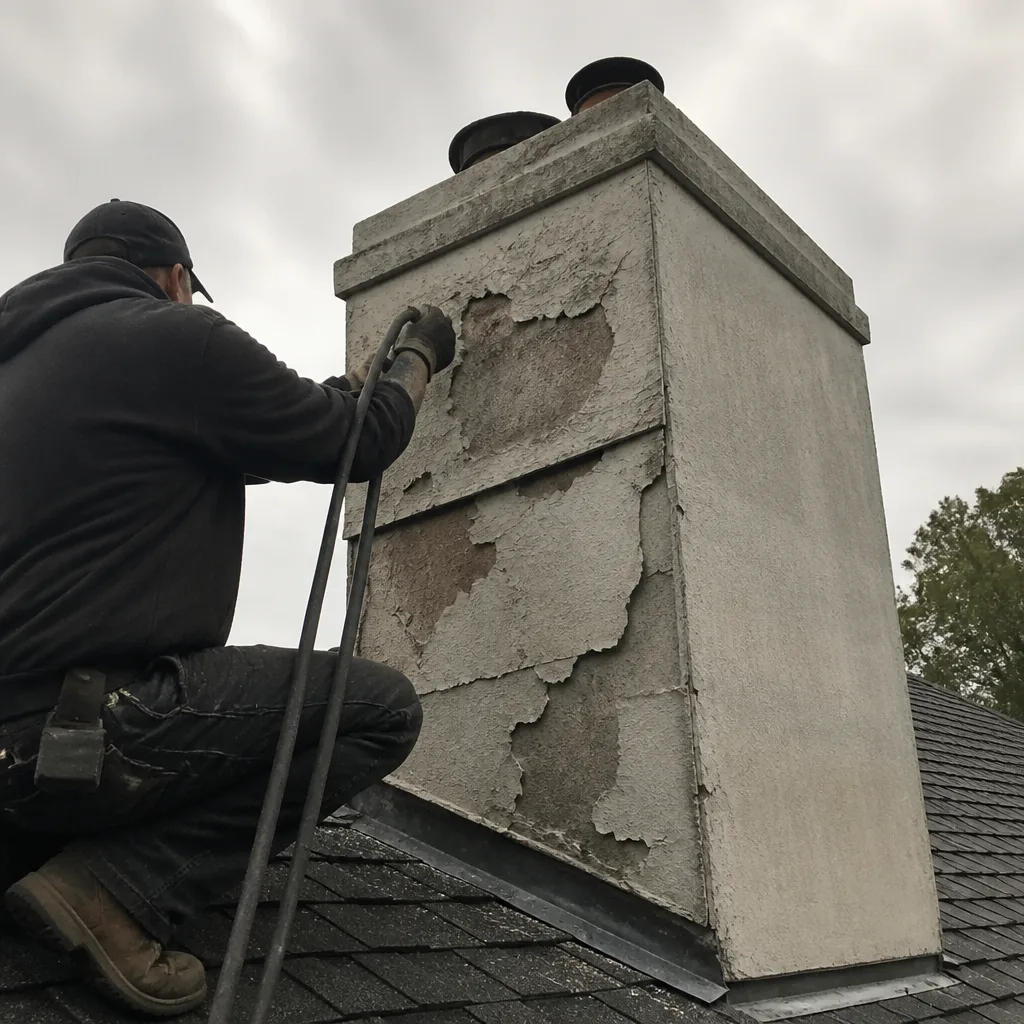 Before
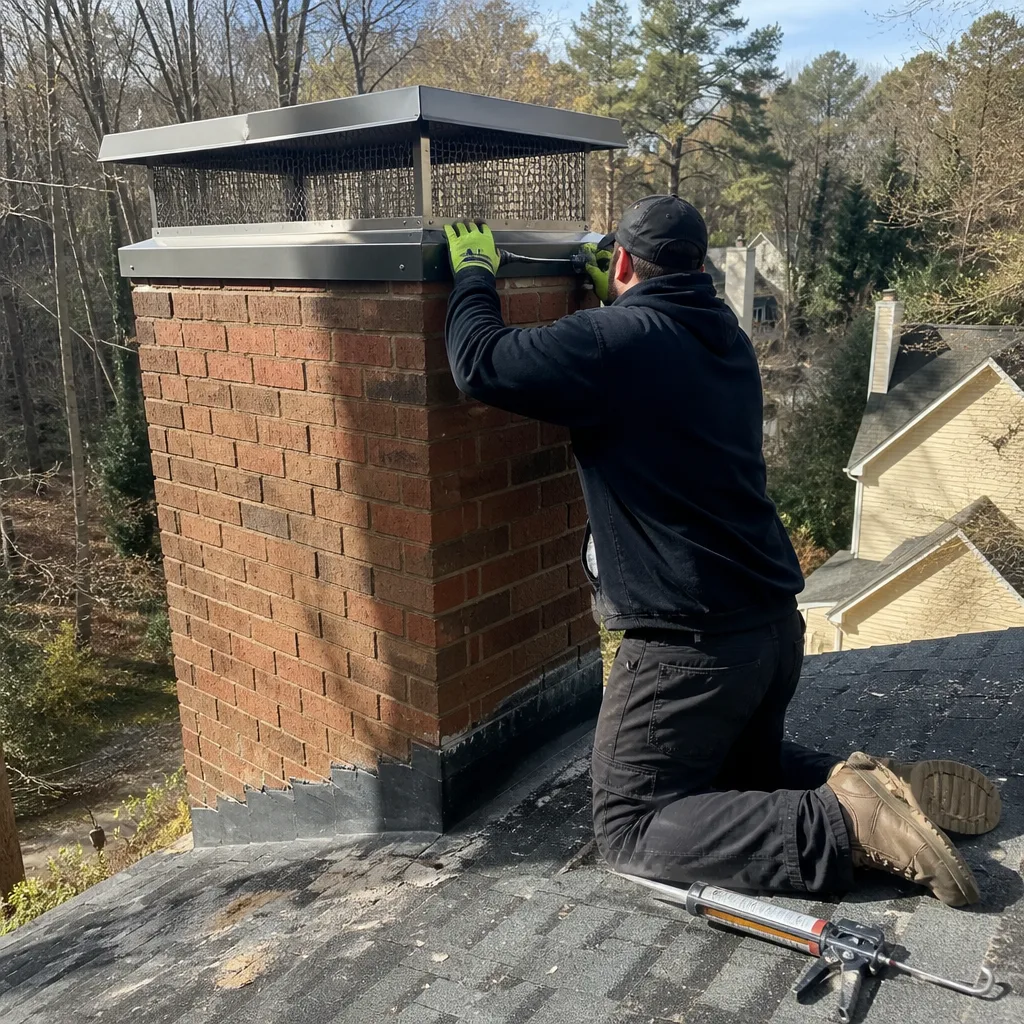 After
After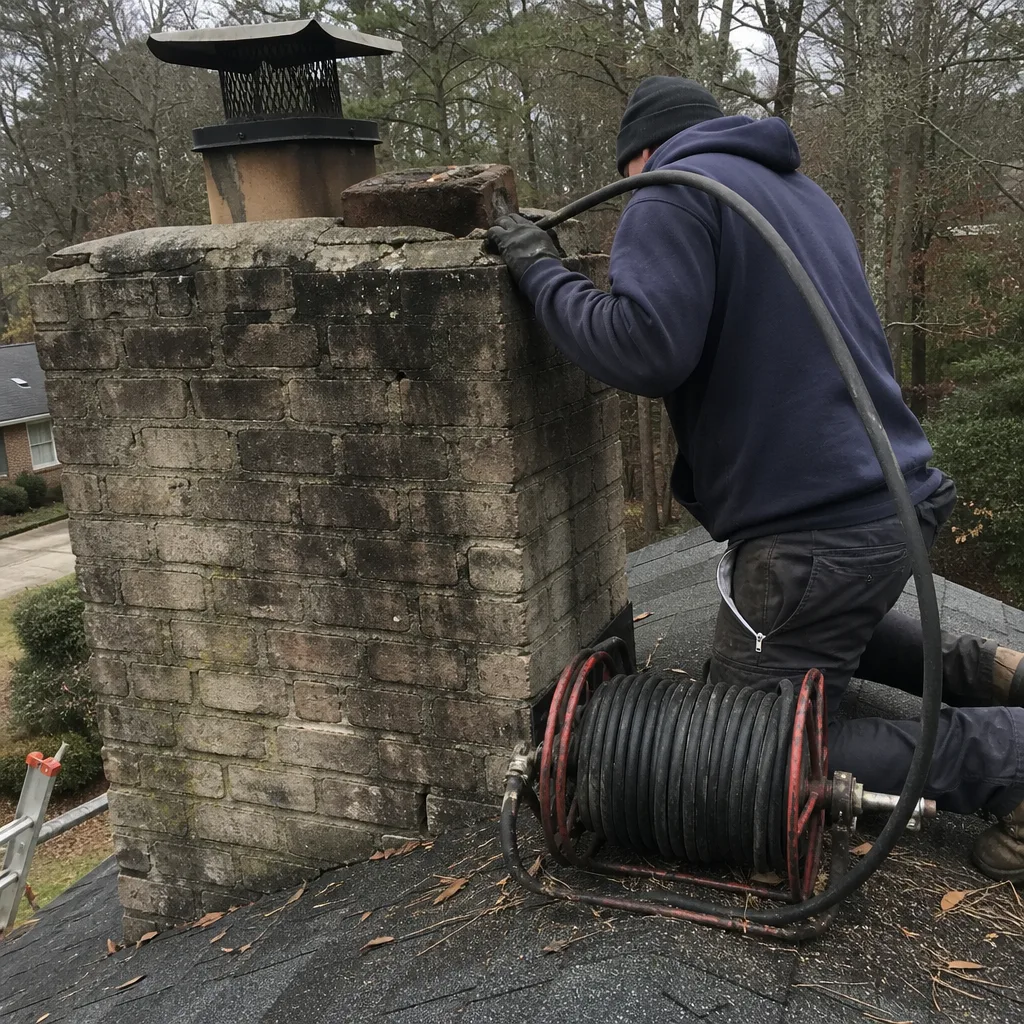 Before
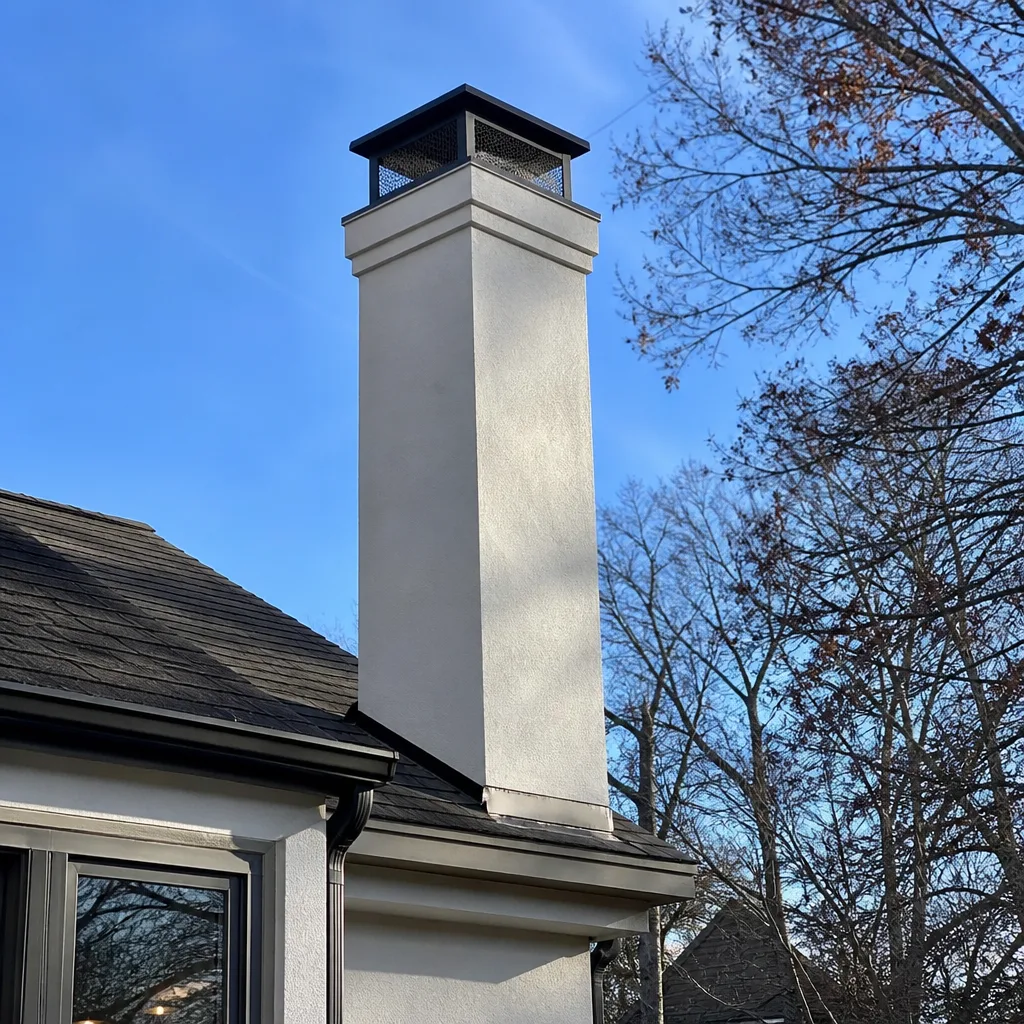 After
After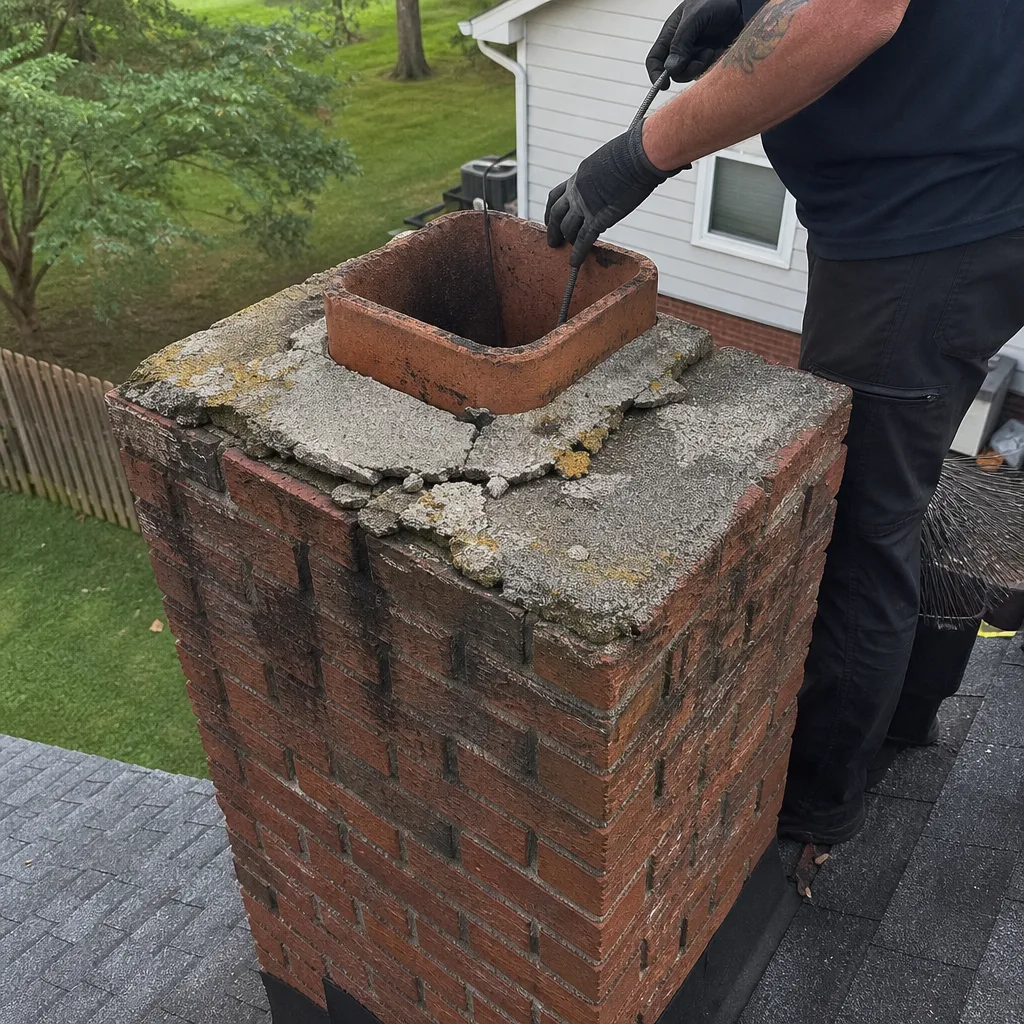 Before
 After
AfterChimney Cleaning Permits, Codes & Inspections in GA: What You Need to Know
In 2022, a Marietta homeowner on Manning Road lit their first fire of November. The chimney caught within the hour. Their insurance adjuster asked for the camera inspection record from the prior year’s sweep. The invoice said “cleaned and checked” - no photos, no liner documentation, no condition classification. The insurer denied the fire-loss claim, ruling it a pre-existing maintenance issue. The homeowner paid $11,400 out of pocket for flue relining and smoke chamber repair. This guide - along with our Complete Guide to Chimney Cleaning in Marietta - explains why Georgia’s adoption of NFPA 211 makes the documentation of your chimney cleaning more consequential than the cleaning itself, which repairs trigger Cobb County permits, and what paperwork actually protects you when something goes wrong.
Quick Answer
Chimney cleaning itself does not require a building permit anywhere in Georgia. However, repairs uncovered during cleaning - flue liner replacement, firebox reconstruction, crown rebuilding, and structural modifications - typically do require Cobb County permits and sign-off by a county inspector. A “code-compliant” sweep invoice means the technician followed NFPA 211 cleaning standards; a code-compliant repair means a permit was pulled, inspected, and closed. Insurance adjusters increasingly distinguish between these two meanings when evaluating claims.
Table of Contents
- How Georgia Adopted NFPA 211 and What It Means for Your Chimney
- Chimney Cleaning vs. Chimney Repair: Where Permits Actually Apply
- Which Chimney Repairs Trigger Cobb County Building Permits
- What “Code-Compliant” Means on Your Sweep Invoice vs. Your Repair Job
- How Insurance Adjusters Use NFPA 211 Inspection Levels to Evaluate Claims
- The Documentation You Need Before and After Any Chimney Repair in Marietta
- Common Mistakes to Avoid
- When to Call a Professional
- Frequently Asked Questions
- The Bottom Line
BeforeAfterHow Georgia Adopted NFPA 211 and What It Means for Your Chimney
Georgia does not maintain a standalone state chimney code. Instead, the Georgia State Minimum Standard Fire Code - adopted by reference in O.C.G.A. Title 25 - incorporates NFPA 211: Standard for Chimneys, Fireplaces, Vents, and Solid Fuel-Burning Appliances. This matters because NFPA 211 defines three levels of chimney inspection, and most Georgia homeowners don’t know which level they’ve actually received.
Level 1 is a visual examination of readily accessible portions of the chimney exterior, interior, and appliance and chimney connection. No tools are used to open or remove panels. This is what most “chimney sweeps” in the Marietta market deliver - a flashlight look up the flue, a brush, and a bill.
Level 2 adds a camera scan of the flue interior, inspection of attics, crawl spaces, and basements where the chimney passes through, and examination of clearances from combustibles. NFPA 211 requires Level 2 inspection upon sale or transfer of property, after an operating malfunction or external event (storm, lightning, chimney fire), or before relining, replacement of appliance, or change of fuel type. In Marietta’s 2015-2025 housing stock - much of it fast-built with minimal masonry oversight - we’ve found that Level 2 should probably be the default for any home where the construction date and chimney history are uncertain.
Level 3 involves demolition or removal of components to inspect concealed areas. This is rare and typically follows a Level 2 finding that suggests hidden damage.
Here’s the practical consequence: when Cobb County issues a building permit for chimney repair, the county inspector verifies that work meets NFPA 211 and the Georgia amendments. But the county does not verify what condition the chimney was in before the repair. That pre-existing condition documentation is your responsibility - and your insurer’s first question after a loss.
Emberly Chimney Cleaners adopted camera-scan documentation as standard practice in 2009, before Georgia insurers or regulators required it. That practice became Clause 4 of the Haven Standard: a documented photo record on every visit, included as standard, not an optional add-on. We’ve now completed more than 38,000 chimney inspections and cleanings in the Marietta area, every one with a written price before work started and a documented record when it was done.
Chimney Cleaning vs. Chimney Repair: Where Permits Actually Apply
The distinction between cleaning and repair sounds obvious until you’re standing in your living room with a technician who just found a cracked flue liner and is explaining why your “routine sweep” now costs $3,800. Here’s where the permit line actually falls in Cobb County.
No permit required:
- Mechanical cleaning of flue deposits (creosote, soot, debris) using brushes, rods, and vacuums
- External brush-down of firebox walls and smoke shelf
- Installation of standard chimney caps that do not alter structure or draft characteristics
- Replacement of damaged chimney cap with like-for-like unit (same dimensions, same material, no structural modification)
- Application of crown sealant or minor crown patching under 25% of crown surface area
Permit typically required:
- Flue liner replacement or relining (stainless steel, HeatShield cerfractory foam, or cast-in-place)
- Firebox reconstruction or replacement of firebrick
- Smoke chamber parging or modification
- Crown rebuild exceeding 25% of surface area or involving formwork and pour
- Chimney cap installation that modifies flue opening dimensions or adds new flue termination
- Structural reinforcement, cricket installation, or flashing replacement involving roof penetration
- Any work involving gas line modification or appliance conversion
The permit threshold isn’t about dollar amount - it’s about whether the work alters the structure, changes the appliance venting configuration, or affects combustion gas pathways. A $180 sweep stays permit-free. A $2,200 liner installation does not, even when both are performed by the same company on the same visit.
In Marietta’s East Cobb and Indian Hills neighborhoods, we’ve seen homeowners assume their sweep company “handled permits” because the technician mentioned being “licensed and insured.” Licensing and insurance are business credentials. Permits are project-specific authorizations pulled from Cobb County Community Development. They’re not the same thing, and conflating them has cost more than one homeowner their claim coverage.
Which Chimney Repairs Trigger Cobb County Building Permits
Cobb County Community Development operates under the Georgia State Minimum Standard Fire Code with local amendments. For chimney work, the permit triggers break down into three categories based on what we’ve encountered during repairs across Marietta, Kennesaw, and Smyrna.
Category 1: Mechanical / Replacement Permits
Flue liner replacement requires a mechanical permit when the liner serves a gas appliance or when the replacement involves a listed liner system (stainless steel like DuraFlex, or cast-in-place systems). The county inspector verifies proper sizing per NFPA 211 Table 12.6.2.1, adequate clearance to combustibles, and correct termination height. We’ve pulled these permits for homes in the Historic Marietta district where clay flue tiles have spalled from decades of freeze-thaw cycling - common in Georgia’s climate zone 3A, where winter wet-dry cycles accelerate masonry deterioration.
Category 2: Building / Structural Permits
Firebox reconstruction, smoke chamber modification, crown rebuilds over 25% of area, and any work affecting the chimney’s structural integrity require a building permit. The county structural inspector examines footing adequacy (for exterior rebuilds), reinforcement placement, and compliance with Georgia amendments to the International Building Code. In the Walton High School corridor, where 1980s-1990s construction often used parged smoke chambers without proper corbeling, we’ve seen building permits required for smoke chamber rebuilds that homeowners assumed were “just cleaning.”
Category 3: No Permit, But Documentation Critical
Standard chimney cap replacement with a Gelco or Olympia Chimney stainless unit, minor crown sealing, and routine cleaning require no permit. However, we still document pre-existing condition with camera footage. Why? Because if that cap fails in a storm and water intrusion causes liner damage, your insurer will ask when the cap was installed and what the flue looked like at that time.
The Cobb County Permit Process for Chimney Work:
- Licensed contractor submits application with scope of work, NFPA 211 compliance statement, and property owner authorization
- Plan review (1-3 business days for mechanical; 3-5 for building/structural)
- Permit issuance with inspection schedule
- Rough inspection (after liner installation, before closure; after firebox forms, before pour)
- Final inspection with operational test (fireplace lit, draft measured, spillage checked at appliance and chimney termination)
- Certificate of Completion issued and recorded with Cobb County
Without that Certificate of Completion, the permit remains open. An open permit can flag during title search when you sell, and some insurers treat open permits as evidence of incomplete or unverified work.
What “Code-Compliant” Means on Your Sweep Invoice vs. Your Repair Job
This is where homeowners get caught. The same words mean different things in different contexts, and no one explains the distinction until it’s too late.
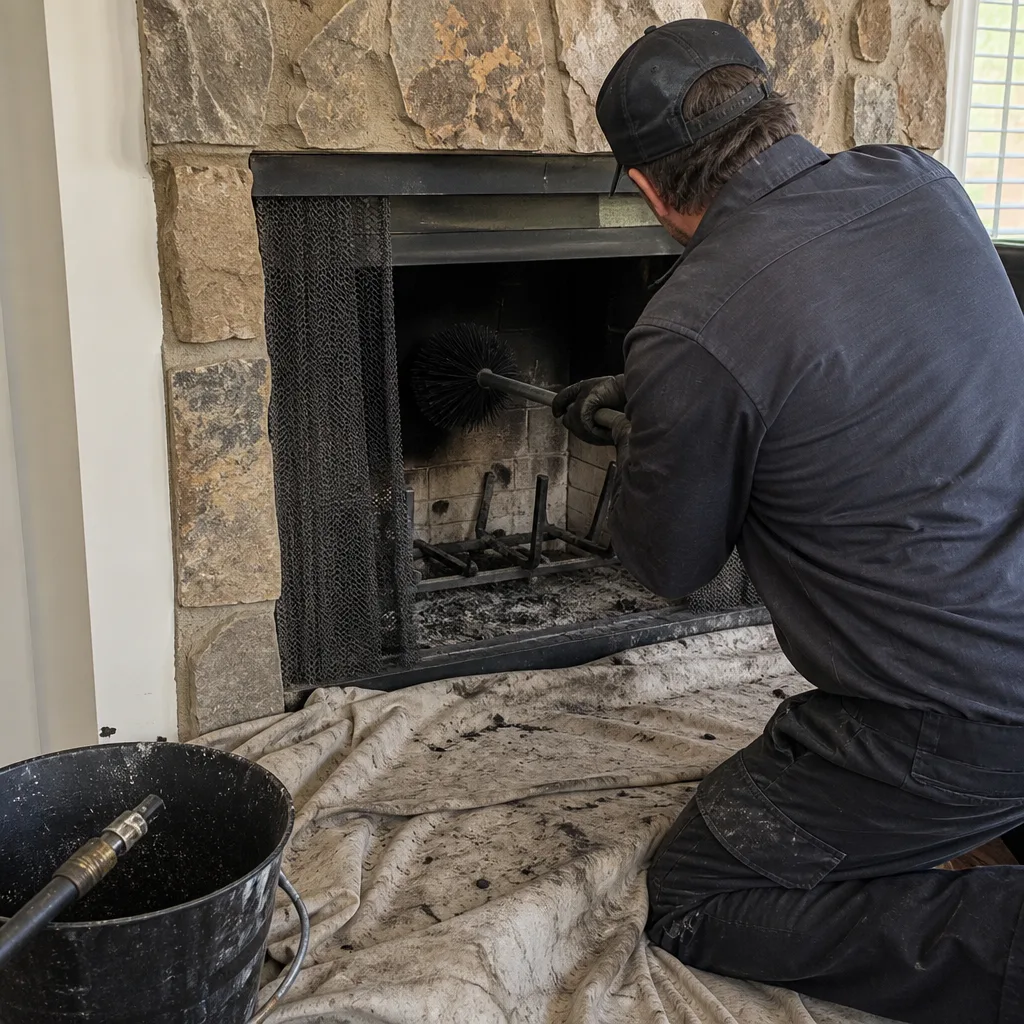
“Code-compliant” on a sweep invoice means the technician performed cleaning according to NFPA 211 Chapter 14: removed combustible deposits to specified thickness limits, inspected accessible components, and reported findings. It does not mean the chimney meets code for operation - only that the cleaning itself was done properly. A chimney can be “code-compliantly cleaned” and still have a cracked liner, missing mortar joints, or inadequate clearance to combustibles that make it unsafe to use.
“Code-compliant” on a repair job means a permit was pulled, work was performed to NFPA 211 and Georgia Fire Code standards, a county inspector verified it, and a Certificate of Completion was issued. This is a much higher bar. It includes:
- Verification of liner sizing and material suitability for the appliance being served
- Confirmation of clearance to combustibles (typically 2 inches for masonry chimneys with unlisted liners; varies by liner listing)
- Proper termination height above roof plane and adjacent structures
- Correct construction of firebox walls, hearth extension, and fireplace opening dimensions
- Adequate draft and spillage performance under operating conditions
We’ve reviewed competitor invoices from Marietta homeowners who paid for “code-compliant chimney service” and assumed that meant their chimney was cleared for safe operation - a misunderstanding our Chimney Cleaning Warning Signs guide helps homeowners avoid. The invoice language was technically accurate - the cleaning met NFPA 211 cleaning standards - but the chimney had a Class III glazed creosote deposit indicating prior chimney fire damage, and the liner was fractured at the smoke chamber junction. No camera inspection had been performed. No condition was documented. The homeowner operated the fireplace for two more seasons before a second company found the damage.
At Emberly Chimney Cleaners Marietta, we separate these concepts explicitly. Our sweep invoices describe what we cleaned and what we found. If we recommend repair, we provide a separate written scope with permit requirements identified, estimated timeline for county inspection, and total project cost. Clause 1 of the Haven Standard requires a written price, written scope, and written warranty before anyone starts - not after the technician is already in your home.
How Insurance Adjusters Use NFPA 211 Inspection Levels to Evaluate Claims
After a chimney fire or carbon monoxide incident, the insurance adjuster’s investigation follows a predictable pattern. Understanding it helps you prepare documentation before you need it.
Step 1: Determine cause and origin
The adjuster engages a fire cause and origin specialist who examines burn patterns, creosote deposition, and appliance condition. They’ll ask: was this a sudden, accidental fire (covered) or a maintenance issue that developed over time (potentially excluded under wear-and-tear or neglect provisions)?
Step 2: Request maintenance records
The adjuster asks for all chimney service records for the property. This is where documentation quality determines claim fate. A Level 1 “cleaned and checked” invoice from 2021 tells the adjuster almost nothing about liner condition. A Level 2 camera inspection report with dated photos showing intact liner, proper clearance, and Class I or II creosote establishes that the chimney was in serviceable condition at last inspection - supporting sudden-accident classification.
Step 3: Evaluate inspection adequacy
Adjusters increasingly understand NFPA 211 levels. We’ve spoken with claims specialists who specifically look for whether the last inspection matched the property’s risk profile. A 1995 Marietta home with original clay flue tile and no documented Level 2 inspection? The adjuster may argue that a reasonable homeowner would have pursued more thorough evaluation, particularly after the 2018 Georgia fire code updates emphasizing camera inspection for older masonry chimneys.
Step 4: Correlate findings with repair permits
If prior repair work was performed, the adjuster checks Cobb County permit records. Unpermitted liner replacement or firebox reconstruction - even if performed competently - can void coverage under policy provisions requiring work by licensed contractors with proper permits. We’ve seen this in the Tritt Road corridor, where rapid resale turnover meant some homeowners inherited unpermitted work from prior owners without knowing it.
The documentation hierarchy that protects you:
- Most protective: Level 2 camera inspection with dated, archived photos; permitted repairs with Certificate of Completion; maintenance records showing regular professional service
- Moderately protective: Level 1 inspection invoices from established companies; some repair documentation; no permit records but clear scope descriptions
- Least protective: No inspection records; handwritten receipts; “cleaned and checked” without detail; unpermitted repairs discovered during claim investigation
Our 38,000+ job archive includes inspection records dating to 2009. When a Marietta homeowner needs historical documentation for a claim, dispute, or sale, we can produce the original camera footage, written scope, and warranty. That’s Clause 4 of the Haven Standard in practice - not a marketing claim, but a recoverable record.
The Documentation You Need Before and After Any Chimney Repair in Marietta
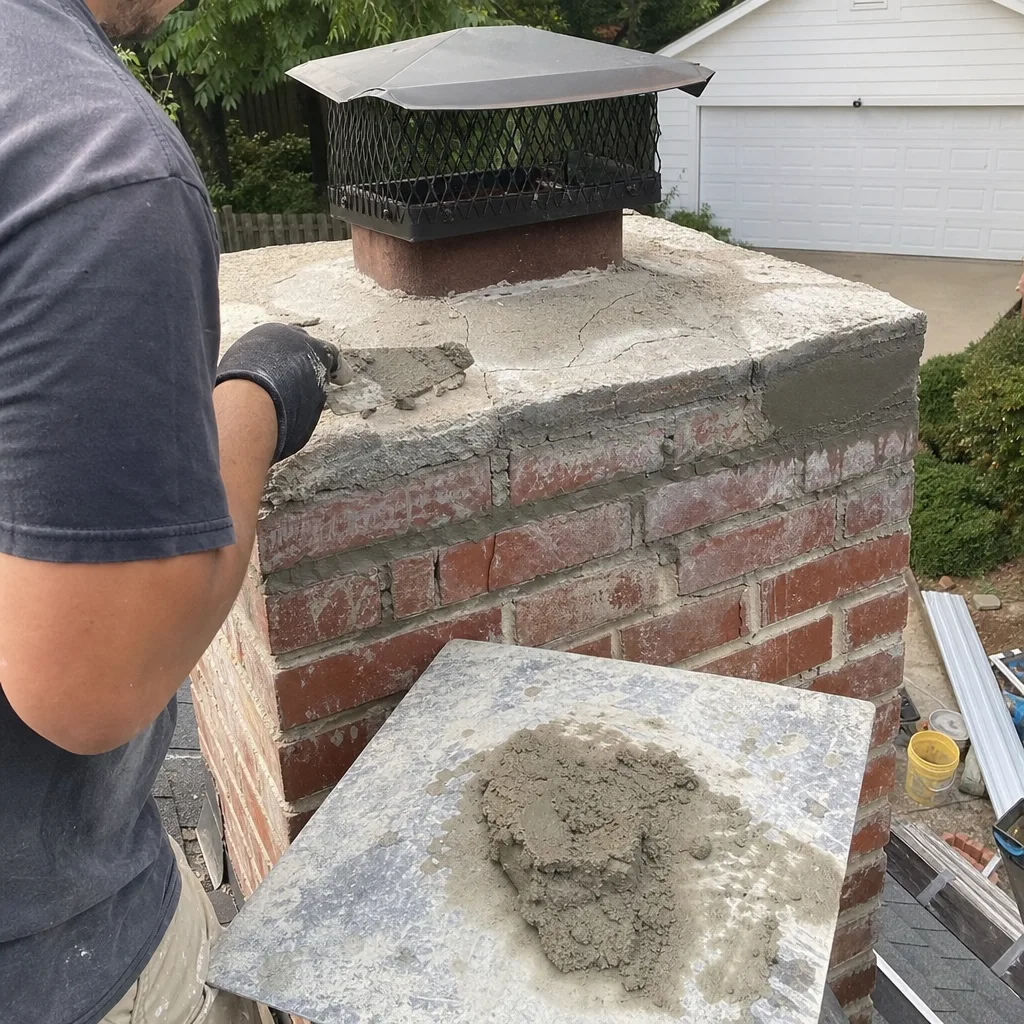
Based on what we’ve seen go wrong - and what we’ve seen protect homeowners - here’s the specific paperwork to require from any chimney company performing repair work in Cobb County.
Before work begins:
- Written pre-repair condition report with camera footage of flue interior, smoke chamber, firebox, and exterior crown/cap. This establishes baseline condition and identifies all recommended repairs.
- Written scope of work specifying materials (stainless steel liner gauge, refractory cement type, cap manufacturer and model), work sequence, and permit requirements.
- Written price with payment schedule. No open-ended “time and materials” arrangements for chimney repair.
- Permit application confirmation with Cobb County permit number, or explicit written statement that no permit is required for the proposed scope.
- Proof of insurance and license - not just verbal assurance. We provide this on request for every chimney repair in Marietta.
During work:
- Rough inspection sign-off from Cobb County (for permitted work). Request photocopy or digital record.
- Photo documentation of work in progress - liner insertion, firebox rebuild stages, crown formwork. This proves proper technique if questions arise later.
After work is complete:
- Final inspection Certificate of Completion from Cobb County, or confirmation that no final inspection was required (for exempt work).
- Post-repair camera confirmation showing installed liner, rebuilt firebox, or repaired crown from same angles as pre-repair documentation.
- Written warranty with duration, coverage scope, and transferability provisions.
- Final invoice matching pre-work written price, with no unexplained additions.
In Marietta’s humid subtropical climate, chimney components degrade differently than in northern markets. Clay flue tiles spall from freeze-thaw. Stainless liners corrode if incorrectly specified for wood vs. gas service. Crown concrete cracks from thermal cycling. Your documentation should note the specific materials used and their suitability for Georgia’s climate zone - something we specify in every Haven Standard scope.
Our materials come through Haven’s buying network from DuraFlex, HeatShield, Gelco, Olympia Chimney, Famco, and Copperfield - sourced specifically to keep customer prices honest and ensure specification compliance. We name the manufacturer and model on every scope so you can verify suitability independently.
Common Mistakes to Avoid
- Accepting “cleaned and checked” as sufficient documentation. In Marietta’s competitive sweep market, this phrase often means a 20-minute brush job with no camera, no condition classification, and no recoverable record. Insurers and adjusters know the difference.
- Assuming the sweep company handles permits. Some do; many don’t. Ask explicitly who pulls the permit, who schedules inspection, and who provides the Certificate of Completion. Get the permit number in writing before work starts.
- Paying for repair work before final inspection. Cobb County’s final inspection is your verification that work meets code. Final payment should be contingent on permit closure, not just “completion” as defined by the contractor.
- Neglecting to transfer documentation at home sale. Marietta’s 2015-2025 buyers increasingly request chimney inspection records. A complete file with permits, photos, and warranties adds salability and protects against post-sale disputes.
- Using unpermitted work to “save money.” We’ve reviewed competitor quotes that undercut permitted work by $400-800 by omitting permits. When that unpermitted liner fails and causes fire damage, the savings evaporate in denied coverage and out-of-pocket rebuild costs.
- Confusing “licensed” with “permitted.” A licensed contractor can still perform unpermitted work. Licensing is a state or local business credential. Permitting is project-specific regulatory compliance. Both matter, but they matter for different reasons.
When to Call a Professional
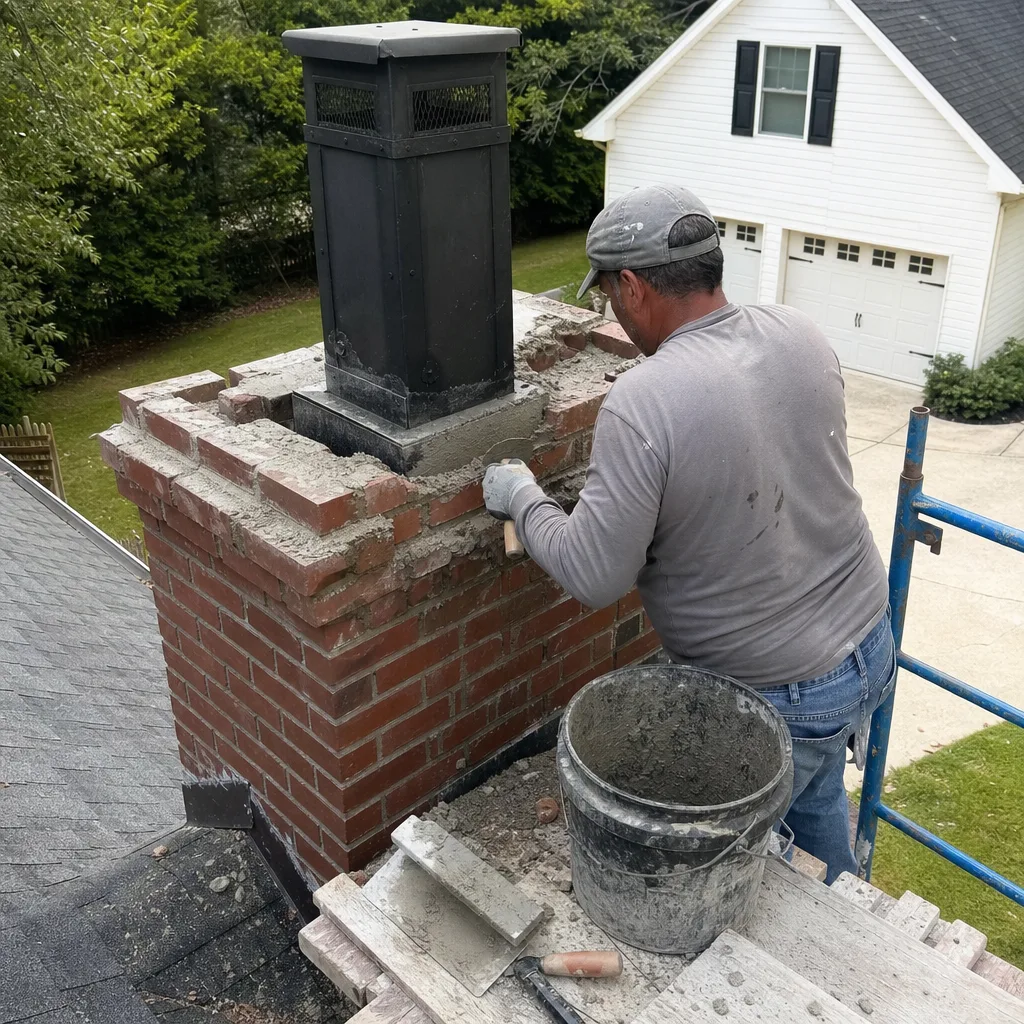
Call a certified chimney professional when you notice any of these warning signs - detailed in our Chimney Cleaning & Sweep Maintenance Checklist for Marietta Homeowners: visible creosote flakes in the firebox, smoke spillage into the room during operation, a persistent smoky odor when the fireplace isn’t in use, white efflorescence staining on exterior brick, or any separation between the chimney and house wall. These symptoms indicate conditions that cleaning alone won’t resolve and that may require permitted repair.
Before buying any home in Marietta - particularly in the 2015-2025 construction cohort where fast build schedules sometimes compromised masonry oversight - request a Level 2 camera inspection as part of your due diligence. Standard home inspections do not include flue interior evaluation.
Emberly Chimney Cleaners Marietta offers free estimates throughout Marietta and Cobb County. Every estimate includes a written scope, written price, and explanation of any permit requirements before you commit. Call (470) 288-2763 to schedule. Our live phone support runs 24 hours a day, 7 days a week - you’ll speak with a person, not a voicemail system. We also provide free second opinions on any competitor’s written estimate; bring us their scope and we’ll review it against NFPA 211 and Cobb County requirements.
Frequently Asked Questions
No. Routine chimney cleaning and sweeping does not require a building permit anywhere in Georgia, including Cobb County. Mechanical cleaning of flue deposits, firebox brush-down, and standard cap maintenance are exempt from permitting. However, repairs uncovered during cleaning - liner replacement, firebox reconstruction, crown rebuilds exceeding 25% of surface area - typically do require permits. Call (470) 288-2763 and we’ll identify permit requirements for any scope before work begins.
A standard Level 1 chimney sweep in the Marietta market typically runs $150-$250 for a single-flue system, while a Level 2 inspection with camera scan ranges from $275-$425 depending on accessibility and system complexity. These are service fees, not repair costs. We provide a written price before any work starts - Clause 1 of the Haven Standard - and that price includes the documented photo record required under Clause 4. No add-ons, no surprises.
NFPA 211 recommends annual inspection for all chimney systems, with cleaning frequency determined by creosote accumulation. In Marietta’s climate zone 3A - humid subtropical with mild winters and occasional freeze-thaw cycles - we find that wood-burning systems used as primary heat source typically need annual cleaning, while occasional-use fireplaces may extend to every two years if inspection shows minimal accumulation. Gas systems still require annual inspection for venting integrity, though cleaning needs are reduced. The specific schedule depends on fuel type, burn frequency, and wood moisture content.
Skipped maintenance leads to creosote accumulation, which increases chimney fire risk and can produce carbon monoxide hazards from blocked or damaged flues. In Marietta’s older neighborhoods like Whitlock Avenue and Church Street, we’ve found chimneys with Class III glazed creosote indicating prior unreported fires - homeowners who smelled smoke but didn’t realize the chimney itself had ignited. Beyond safety, skipped maintenance voids insurance coverage for fire loss if the insurer can demonstrate neglect. The documented inspection record is what proves you maintained the system properly.
Clay flue tiles can last 50+ years if properly maintained and if the chimney was originally constructed with adequate clearance to combustibles. In practice, we find significant spalling, cracking, or mortar joint failure in roughly 30% of Marietta homes built 1980-2005, when fast construction schedules sometimes compromised masonry quality. We don’t recommend liner replacement without camera evidence you can see - that’s Haven Standard practice. If the tile is intact, properly aligned, and shows no spalling or cracking, we document that and recommend continued use with annual inspection. If damage is present, we show you the footage, explain the failure mode, and specify replacement options with written pricing.
A standard home inspection evaluates visible, accessible components from ground level or roof edge using binoculars and flashlight. It does not include flue interior camera examination, smoke chamber evaluation, or clearance verification in attics and crawl spaces. A Level 2 inspection per NFPA 211 includes all of these, plus documented photo record. In Marietta’s competitive real estate market, we’ve seen buyers accept home inspection “chimney clear” language, then discover $4,000-$8,000 in needed repairs after closing. If you’re purchasing a home with a fireplace, request a Level 2 inspection by a certified chimney professional - it’s the only evaluation that meets NFPA 211 standards for property transfer.
The Bottom Line
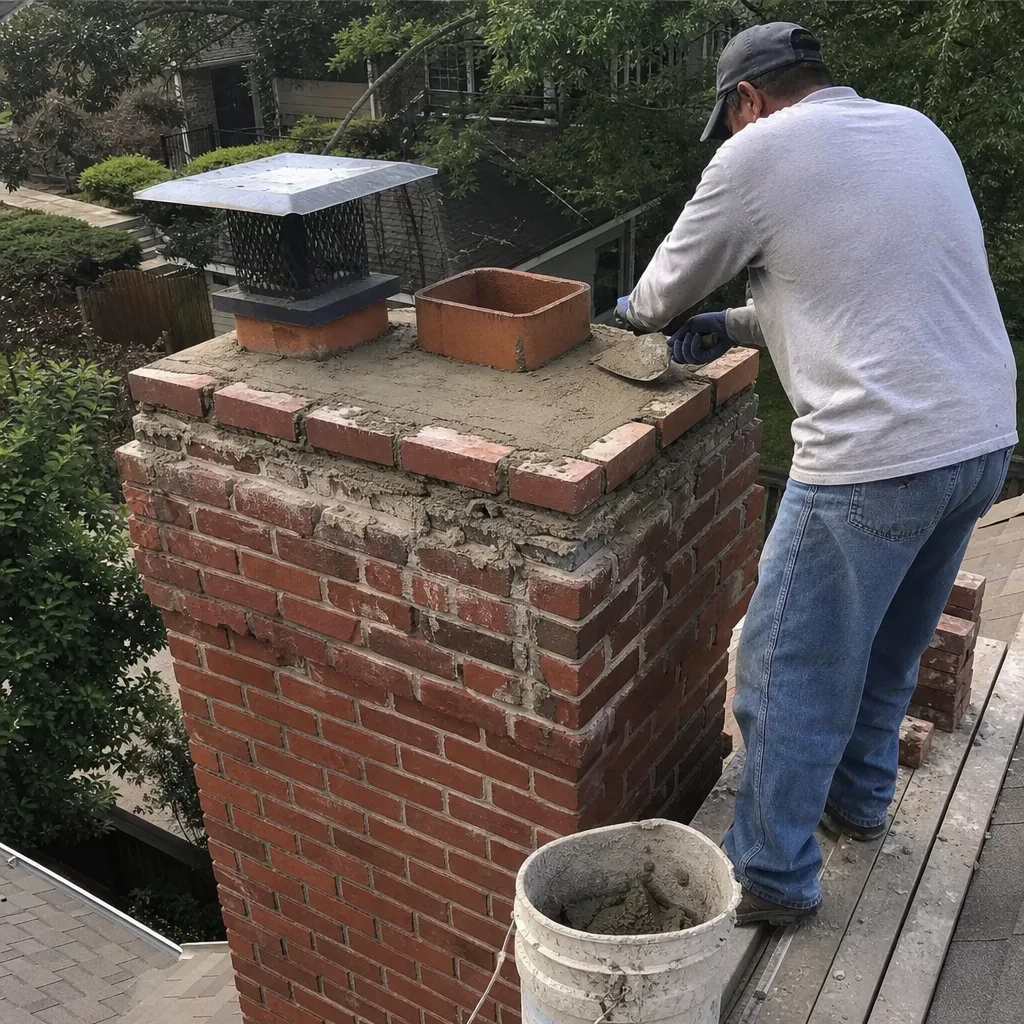
Chimney cleaning in Georgia requires no permit, but the gap between “cleaned” and “verified safe” is where homeowners lose money, coverage, and sometimes their homes. Georgia’s adoption of NFPA 211 created a documentation standard that insurance adjusters now enforce. Cobb County’s permit requirements for repairs create a verification layer that unpermitted work bypasses. The protection comes from specific paperwork: dated camera footage, written scopes, permit numbers, and Certificates of Completion. Anything less leaves you exposed when it matters most.
We’ve built our practice on making this documentation automatic - not optional, not extra. Since 2009, every one of our 38,000+ jobs has included a written price before work started and a documented record when it was done. The Haven Standard’s four clauses exist because we saw what happened when they didn’t.
Written by Corrine Halstead, Owner at Emberly Chimney Cleaners Marietta, serving Marietta since 2009.