
Last updated September 22, 2026
Level 1 sweep and inspection to the NFPA 211 annual standard - flue, crown, cap, and flashing checked and photographed
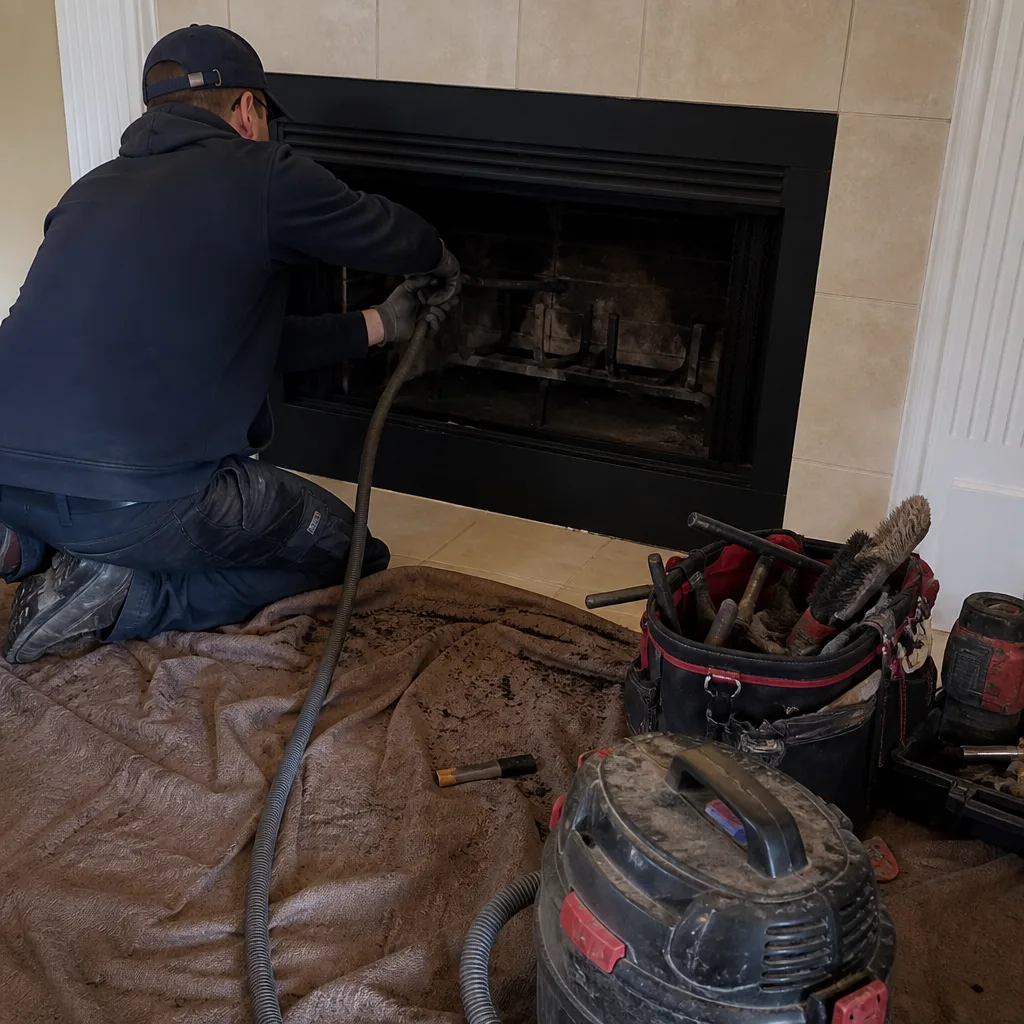
Chimney sweep logs do not sweep chimneys. They loosen some creosote - which then falls where a brush and vacuum still have to collect it.
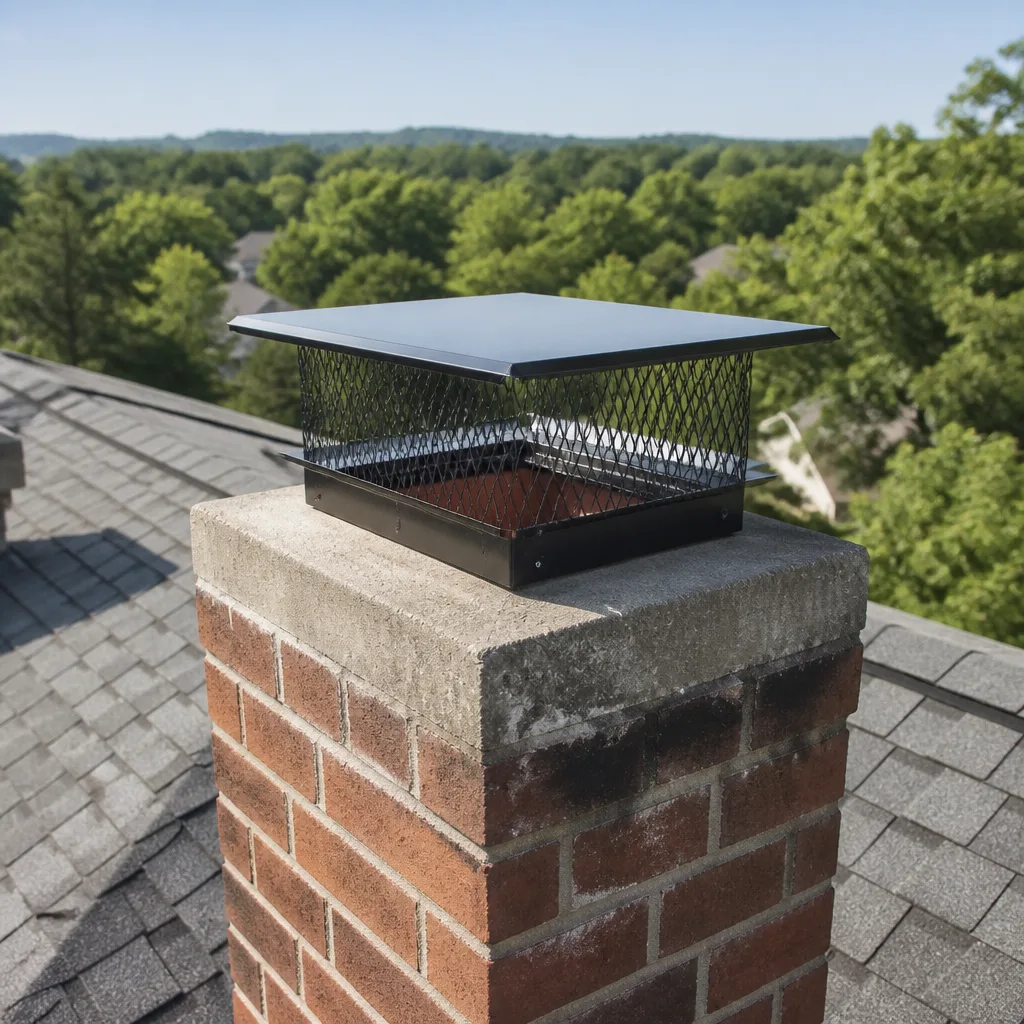
Caps & crowns
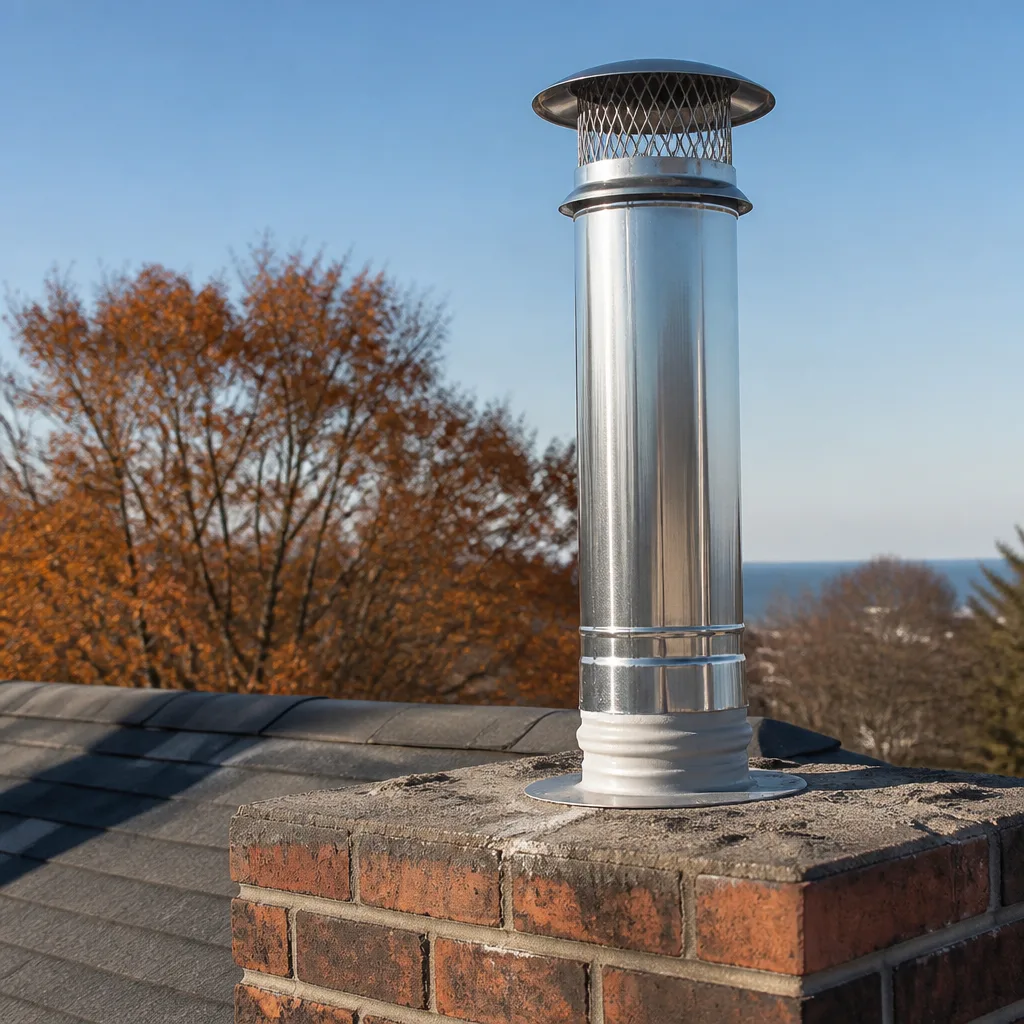
Masonry repair
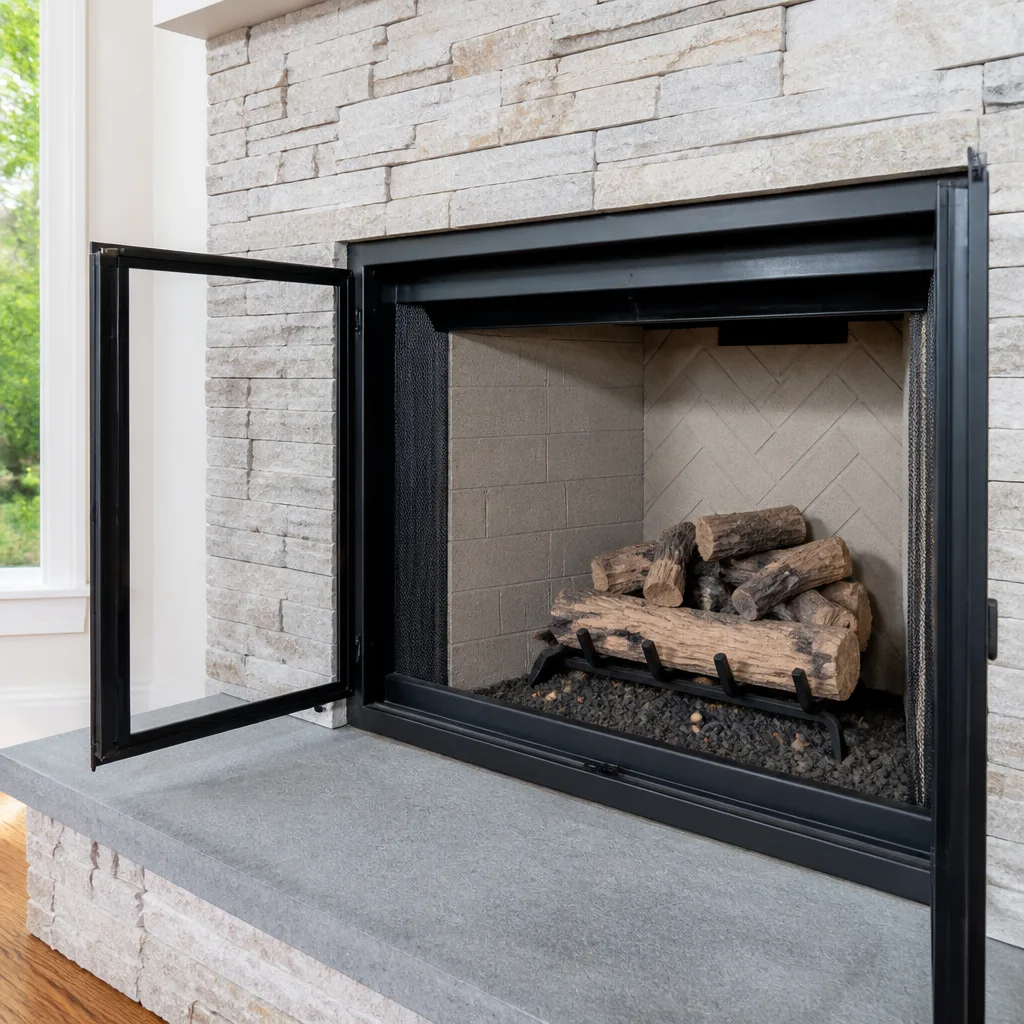
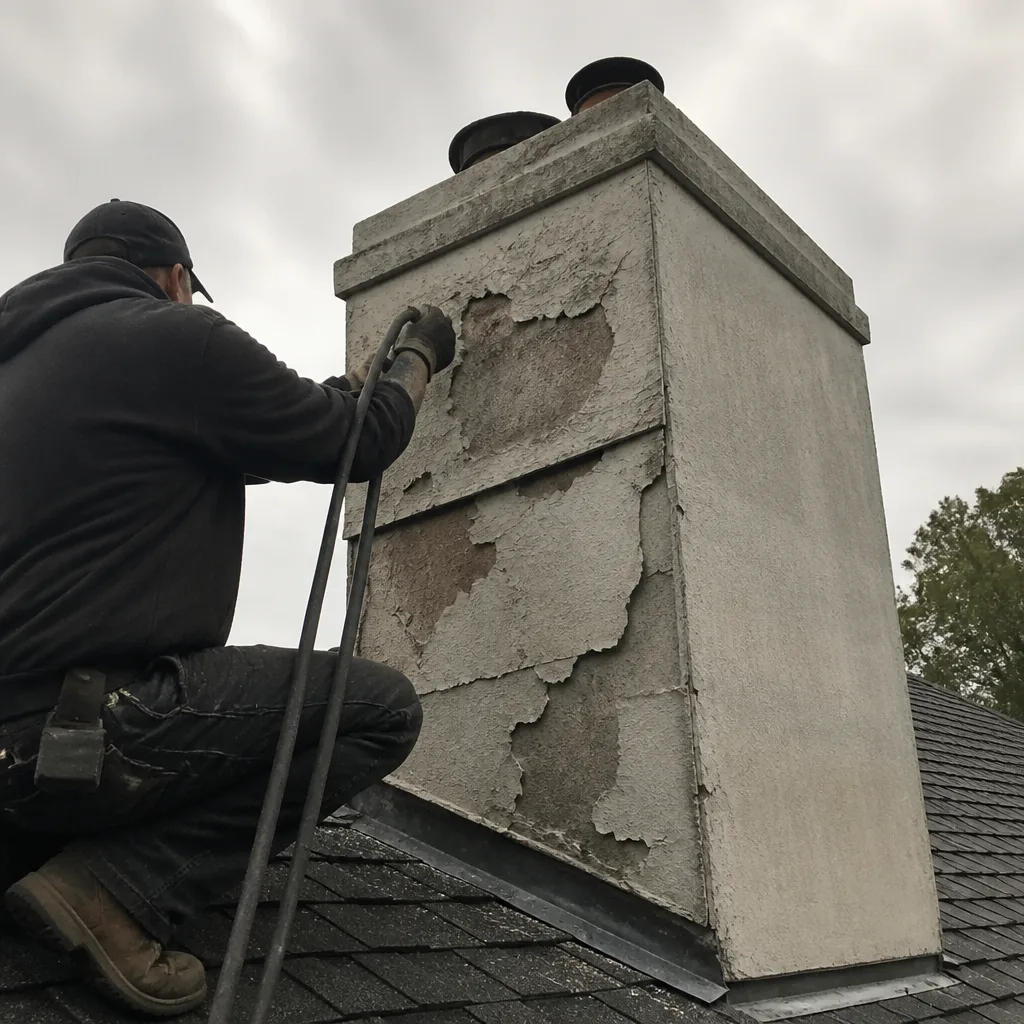 Before
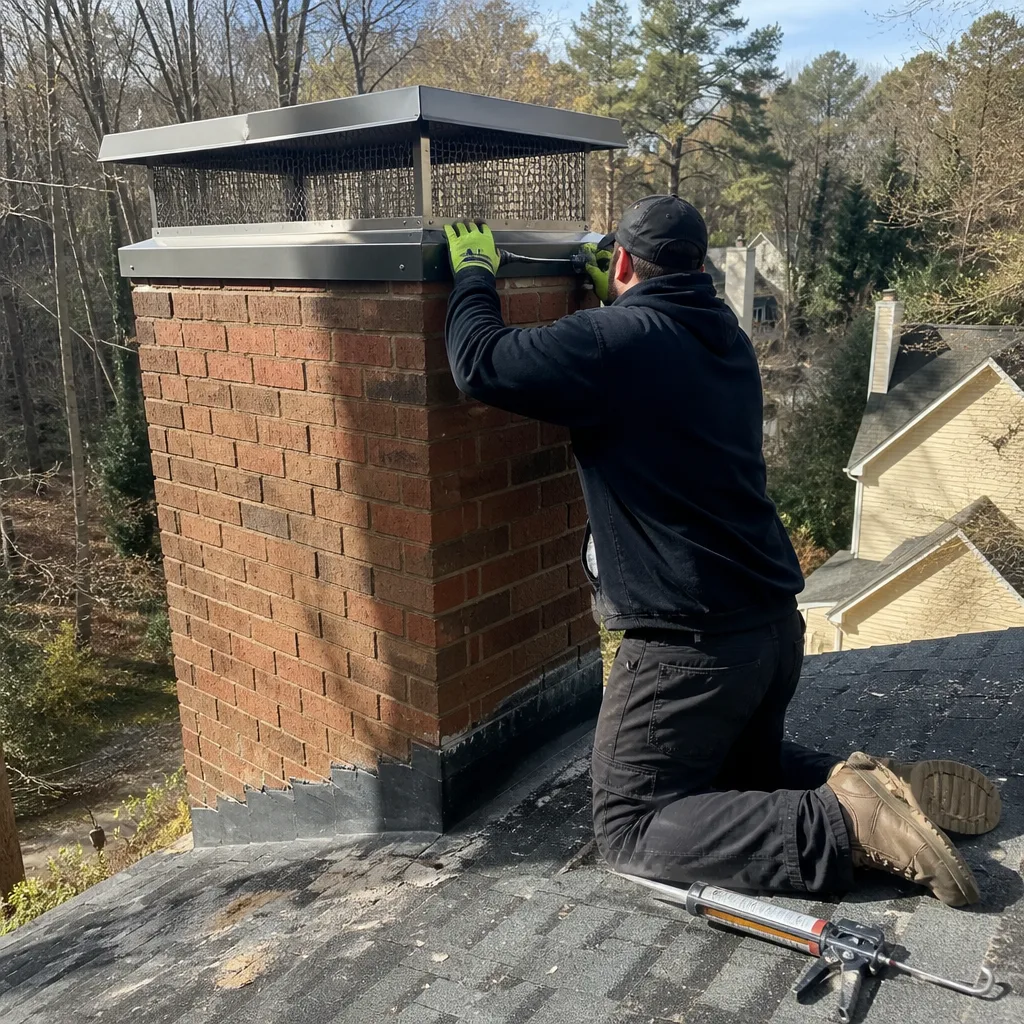 After
After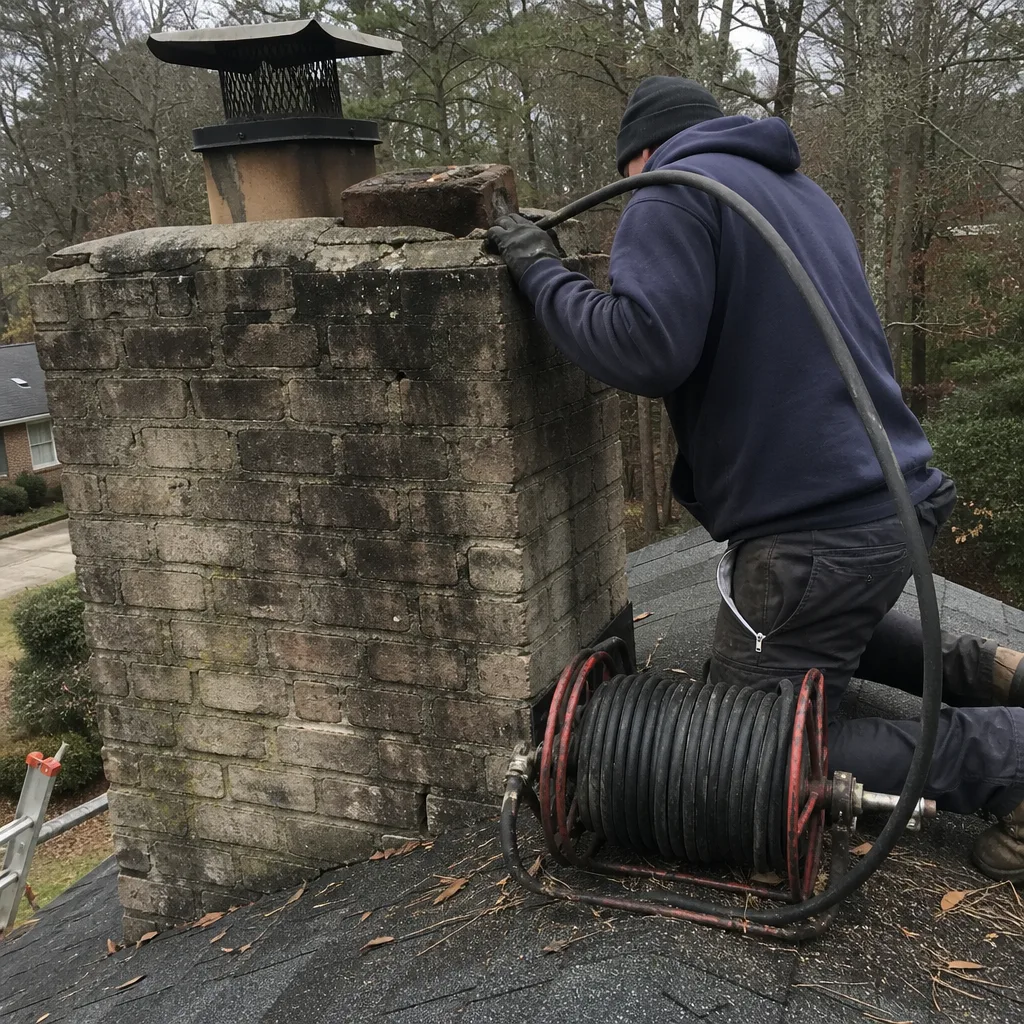 Before
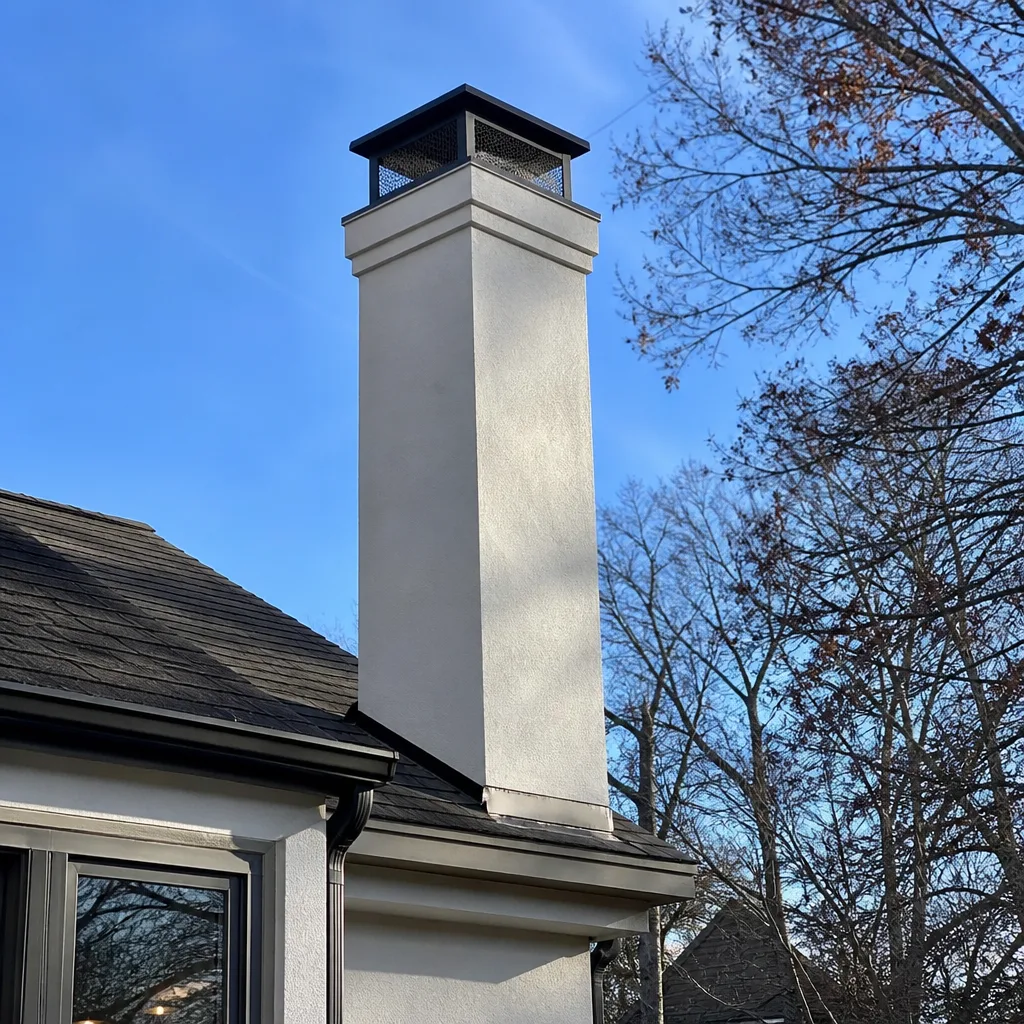 After
After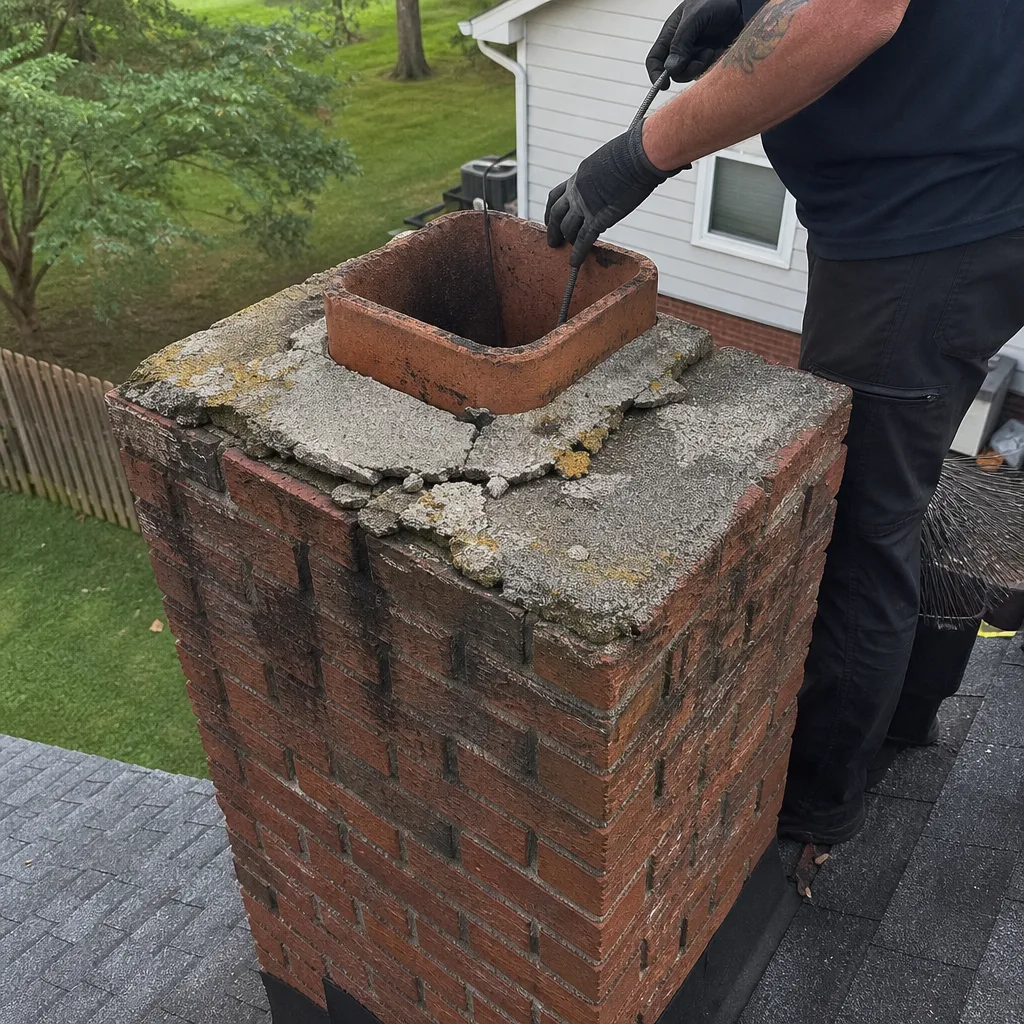 Before
 After
AfterThe Complete Guide to Chimney Cleaning in Marietta
The NFPA estimates that 25% of home heating fires involve a chimney that was “recently cleaned” - recently cleaned without a camera scan or written findings to prove what condition it was actually in. In Marietta, where clay soil shifts and freeze-thaw cycles stress flue liners every winter, a brush-and-vacuum sweep that never looks inside is a documentation gap that can cost you your insurance claim or your safety. This guide explains what chimney cleaning really means under NFPA 211, why the record matters more than the brush, and how to read the documentation you should demand from any sweep in Cobb County - or explore more guides & resources for maintaining your home.
Quick Answer
A proper chimney cleaning in Marietta costs between $175 and $325 for a standard sweep with NFPA 211 Level 2 camera inspection, and should leave you with a written scope, dated sweep log, and photo or video record of your flue condition. Georgia’s humid summers oxidize creosote faster than drier climates, so most Marietta homeowners need annual service - not the biennial schedule that works farther north. The cleaning itself removes combustible deposits; the documentation proves your liner, smoke chamber, and crown were intact when the sweep left.
Table of Contents
- What Chimney Cleaning Actually Includes (And What It Doesn’t)
- NFPA 211 Inspection Levels: Level 1 vs. Level 2 vs. Level 3
- How Marietta’s Climate Changes Your Cleaning Schedule
- Chimney Cleaning Cost in Marietta: What’s Included
- How to Read a Post-Service Report (And Spot a Weak One)
- Why Marietta’s Clay Soil Produces Liner Cracks a Flashlight Misses
- What a Written Price Before Work Starts Actually Protects You From
- Common Mistakes to Avoid
- When to Call a Professional
- Frequently Asked Questions
- The Bottom Line
BeforeAfterWhat Chimney Cleaning Actually Includes (And What It Doesn’t)
Chimney cleaning, or sweeping, is the mechanical removal of combustible deposits - soot, ash, and creosote - from the firebox, smoke chamber, damper assembly, and flue liner. In Marietta, where many homes in neighborhoods like East Cobb and Indian Hills were built during the 1980s and 1990s fireplace boom, the job often reveals more than it removes.
A sweep worth paying for includes five distinct operations:
- Pre-inspection with camera. Before any brush touches the flue, a video scan documents baseline condition. This is Clause 4 of the Haven Standard - we’ve required it since 2009, before insurers in Georgia began requesting photo records.
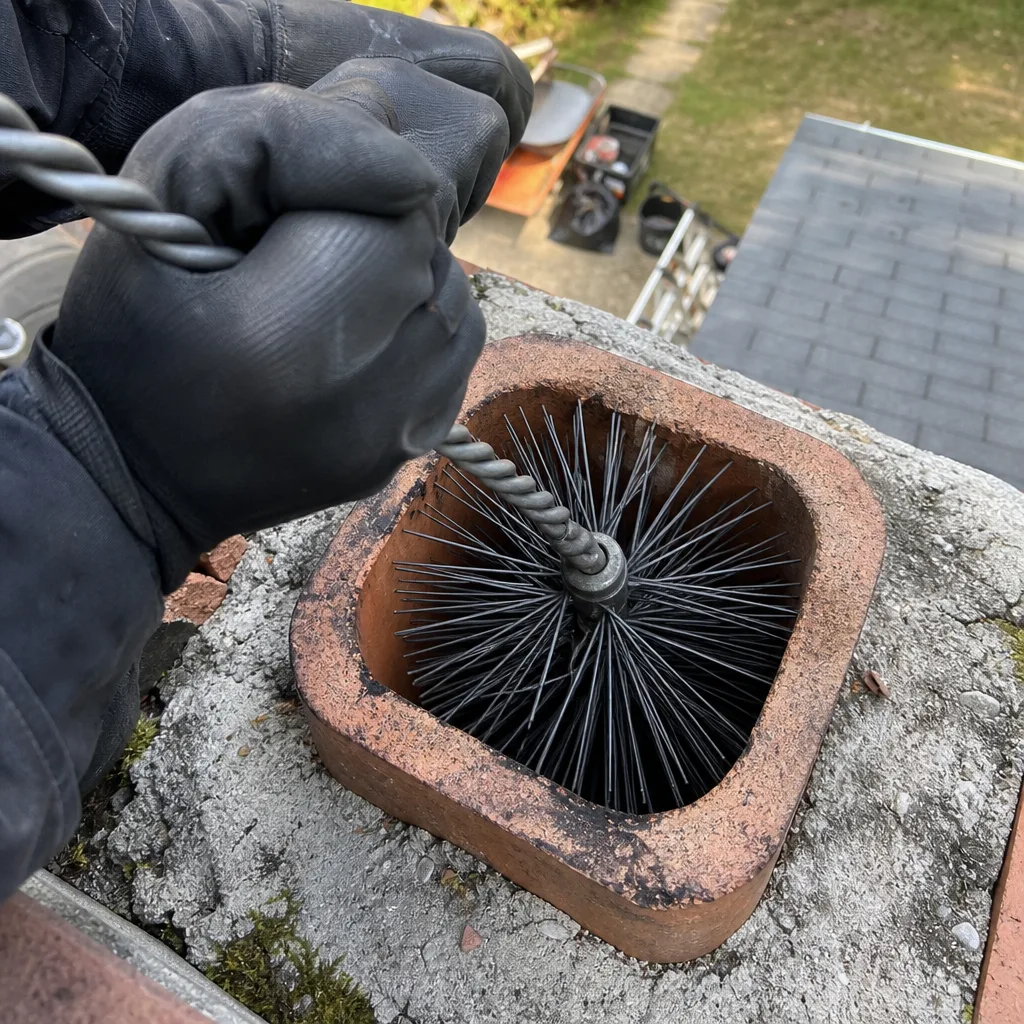
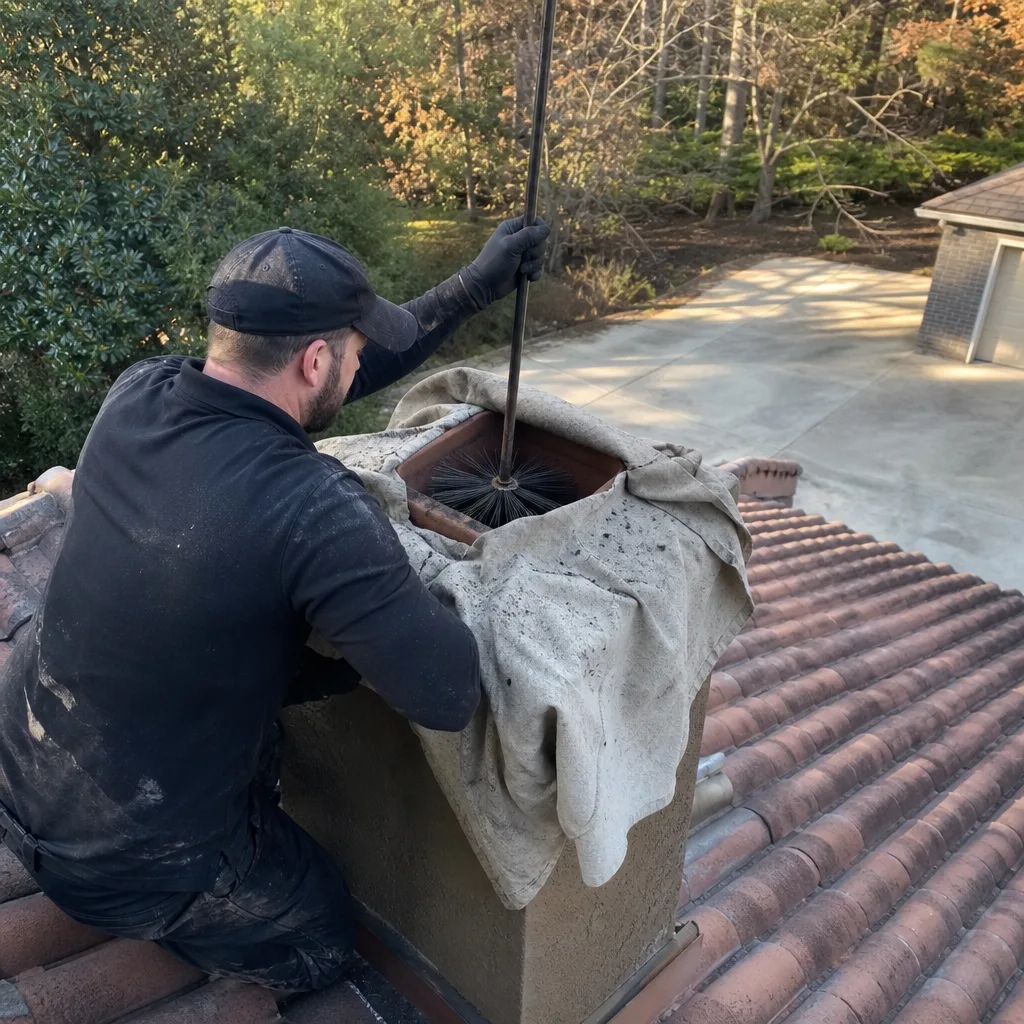
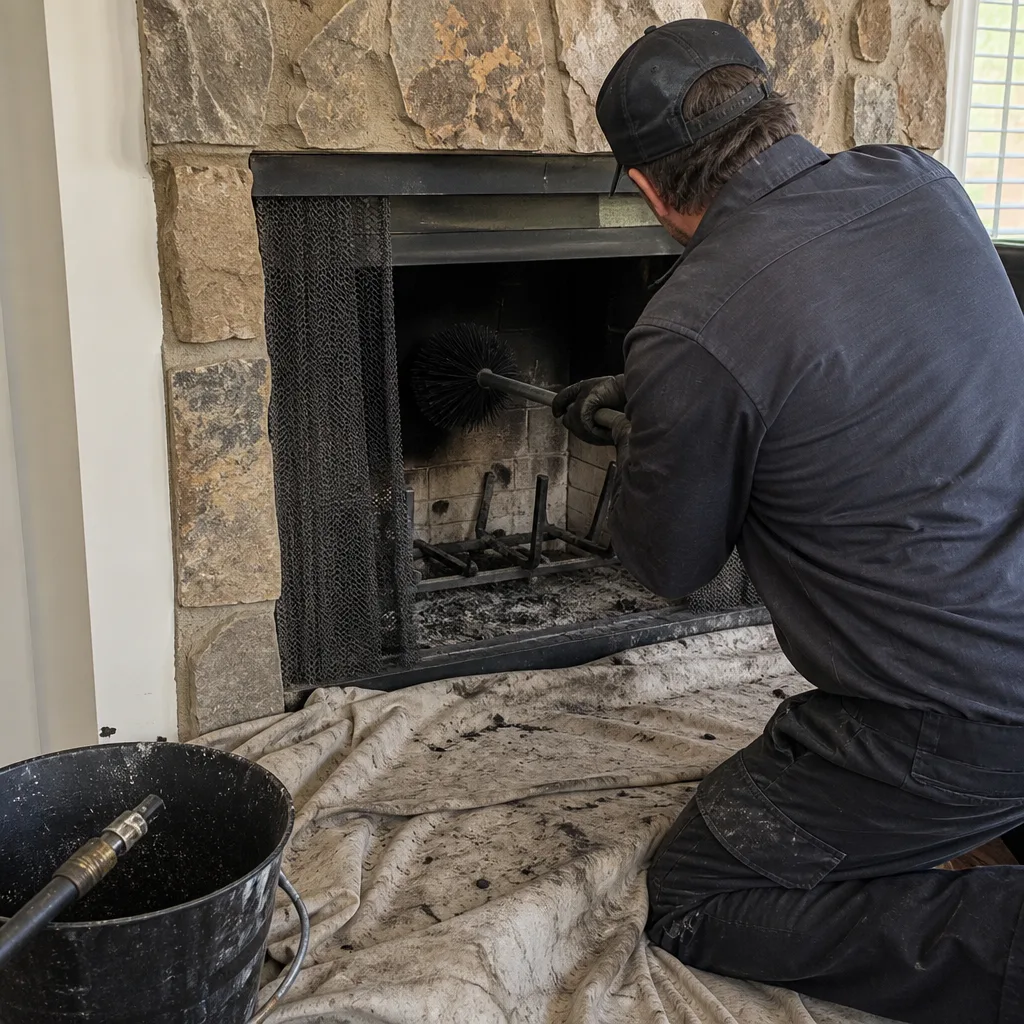
- Mechanical cleaning. Poly or wire brushes sized to the flue diameter, powered rotary tools for glazed creosote, and HEPA vacuums for debris control. Class III creosote - the hard, tar-like glaze that forms with slow, smoldering fires - may require chemical treatment before mechanical removal.
- Component inspection. Damper operation, firebrick condition, smoke chamber parging (the mortar slope that directs smoke into the flue), and crown integrity.
- Post-cleaning camera pass. Proof that deposits were removed and that no damage occurred during cleaning.
- Written documentation. Sweep log, condition ratings, photo or video files, and next-service recommendation with date.
What it does not include: repair of spalling brick, crown rebuild, liner replacement, or waterproofing. These are separate scopes with separate prices, and any sweep who bundles them without written itemization is violating the transparency that NFPA 211 and the Haven Standard both require.
We’ve cleaned chimneys in Marietta’s Whitlock Heights historic district where the “cleaning” revealed a separated flue liner that had been venting into the wall cavity for years. The brush didn’t find it. The camera did. That’s why documentation is the product - not the brush.
NFPA 211 Inspection Levels: Level 1 vs. Level 2 vs. Level 3
The National Fire Protection Association defines three inspection levels in NFPA 211, and most Marietta homeowners have never been offered anything above Level 1. Here’s what each requires and when it applies.
Level 1 - Visual, accessible surfaces only. The technician examines readily accessible portions of the chimney exterior, interior, and connecting appliances without special tools or demolition. No camera. No roof access required. Appropriate only when no changes have been made to the system and no performance problems exist. In practice, this is what most “$99 sweep” coupons deliver - a flashlight look up the flue from the firebox.
Level 2 - Camera scan of all interior surfaces. Required at sale or transfer of property, after chimney fire or seismic event, after appliance changeout, or when any structural alteration occurs. Includes roof access, attic inspection of the chimney chase if accessible, and video documentation of the flue liner, smoke chamber, and firebox. This is the standard we established as default in 2009 and wrote into Haven Standard Clause 4.
Level 3 - Demolition as needed for concealed access. Required when Level 2 evidence suggests a hidden hazard that cannot be evaluated otherwise. May involve removing drywall, chimney breast facing, or exterior masonry. Rare for routine maintenance; typically triggered by suspected liner collapse, pyrolysis of adjacent framing, or post-fire structural evaluation.
For the average Marietta homeowner - particularly those in newer subdivisions like Walton Village or The Park at West Cobb who are selling, refinancing, or changing insurance carriers - Level 2 is the correct specification. Georgia home inspectors are not chimney specialists; their reports often note “recommend Level 2 inspection by qualified sweep” as a contingency item. A Level 1 sweep certificate will not satisfy this requirement.
We’ve performed Level 2 inspections in Marietta where the real estate transaction depended on our dated photo record. The buyer’s insurer required proof that the flue liner was continuous and free of obstructions. A verbal “looks good” from a flashlight sweep would have killed the closing.
How Marietta’s Climate Changes Your Cleaning Schedule
The generic advice - “sweep your chimney once a year” - originates from colder, drier climates where creosote deposits form predictably during a concentrated burning season. Marietta’s climate breaks that model in two ways.
Humid summers oxidize existing deposits. Georgia’s average summer relative humidity hovers near 70%, and attic temperatures in unconditioned chimney chases can exceed 140°F. This combination oxidizes residual creosote, converting flaky Class I deposits into harder, more acidic Class II and III formations that bond to liner surfaces. A chimney swept clean in April may show glazed creosote by October - not from new burning, but from chemical transformation of what remained.
Mild winters encourage intermittent, low-temperature fires. Marietta’s average January low is 30°F - cold enough for ambiance fires, not cold enough for continuous heating. Homeowners tend to build smaller, slower-burning fires that produce more incomplete combustion and heavier creosote loading per cord of wood than the hot, continuous fires typical of northern climates.
What this means practically: most Marietta homeowners should schedule annual sweeping, with particular attention to systems that burned more than one cord of wood or experienced any smoldering episodes. Homes in shaded, low-lying areas near Sope Creek or the Chattahoochee River may need more frequent service due to slower draft warmup and increased moisture in fuel wood.
We’ve documented this pattern across our 38,000+ inspections. The Marietta homes with the heaviest creosote loads are rarely the ones with the most burning hours. They’re the ones with damp fuel, restricted air supply, and owners who assumed “once a year” meant “every calendar year regardless of use pattern.”
Chimney Cleaning Cost in Marietta: What’s Included
Price transparency is Haven Standard Clause 1: written scope, written price, written warranty before work begins. Here’s what that looks like in Marietta’s market.
| Service | Typical Range | What’s Included |
|---|---|---|
| Standard sweep with Level 1 inspection | $125 - $195 | Mechanical cleaning, visual inspection, basic sweep log |
| Sweep with NFPA 211 Level 2 inspection | $175 - $325 | Camera scan, roof access, photo/video record, written condition report |
| Class III creosote removal (chemical + mechanical) | $275 - $450 | Pretreatment application, rotary cleaning, second camera pass |
| Fireplace insert or wood stove sweep | $195 - $295 | Disconnection, baffle removal, flue collar cleaning, reassembly |
| Chimney cap/crown inspection and basic sealing | $85 - $175 | Visual assessment, minor crown crack seal with CrownCoat or equivalent |
What’s not in these numbers: repair work discovered during inspection. If the camera reveals a cracked flue liner, spalling crown, or deteriorated smoke chamber parging, we provide a separate written estimate with photo evidence. Nothing is performed without explicit, itemized authorization. This protects against the scope creep that plagues homeowners who accept verbal estimates.
Materials matter for repair pricing. We source flue liners from DuraFlex and Olympia Chimney, crown repair compounds from HeatShield, and caps from Famco and Copperfield through Haven’s buying network. This keeps customer prices honest by eliminating distributor markups that smaller independents absorb or pass on.
Chimney Cleaning & Sweep in Marietta - our standard service page with scheduling and full scope details.
How to Read a Post-Service Report (And Spot a Weak One)
The report you receive after a chimney cleaning is a legal document. It may be requested by your insurer after a fire, cited in a home sale, or used to dispute a contractor’s subsequent recommendation. A complete report contains six elements. Anything less is incomplete.
- Dated sweep log. Technician name, license number, date of service, appliance type and manufacturer if known, fuel type, and estimated annual usage. This establishes who performed the work and when.
- Pre-cleaning camera stills or video. Time-stamped images showing flue condition before mechanical work. Should show the full liner length, smoke chamber, damper, and firebox.
- Post-cleaning camera stills or video. Proof of deposit removal and verification that no damage occurred during cleaning. The two sets should be comparable in angle and coverage.
- Condition rating by component. Standardized ratings (typically 1-5 or Good/Fair/Poor) for liner, crown, cap, damper, firebox, smoke chamber, and exterior masonry. Each rating should reference a specific observation, not a general impression.
- Written recommendation with timeline. “Monitor,” “repair within 12 months,” or “repair before next use” - with explicit reasoning tied to the condition ratings.
- Written warranty or promise. Our 365-Day Done Right Promise, stamped on every job, covers workmanship and materials for one year from service date.
Red flags in a report: no technician name or license number, no timestamp on images, “all good” without component breakdown, or a recommendation for immediate expensive repair without photo evidence. We’ve reviewed competitor reports in Marietta where a $4,000 liner replacement was recommended based on a single blurry firebox photo - no flue scan, no crown image, no written justification.
Clause 4 of the Haven Standard requires the photo record. Clause 1 requires the written price. Together, they create an audit trail that protects both parties. If your sweep can’t produce this documentation, you don’t have a record - you have a receipt.
Why Marietta’s Clay Soil Produces Liner Cracks a Flashlight Misses
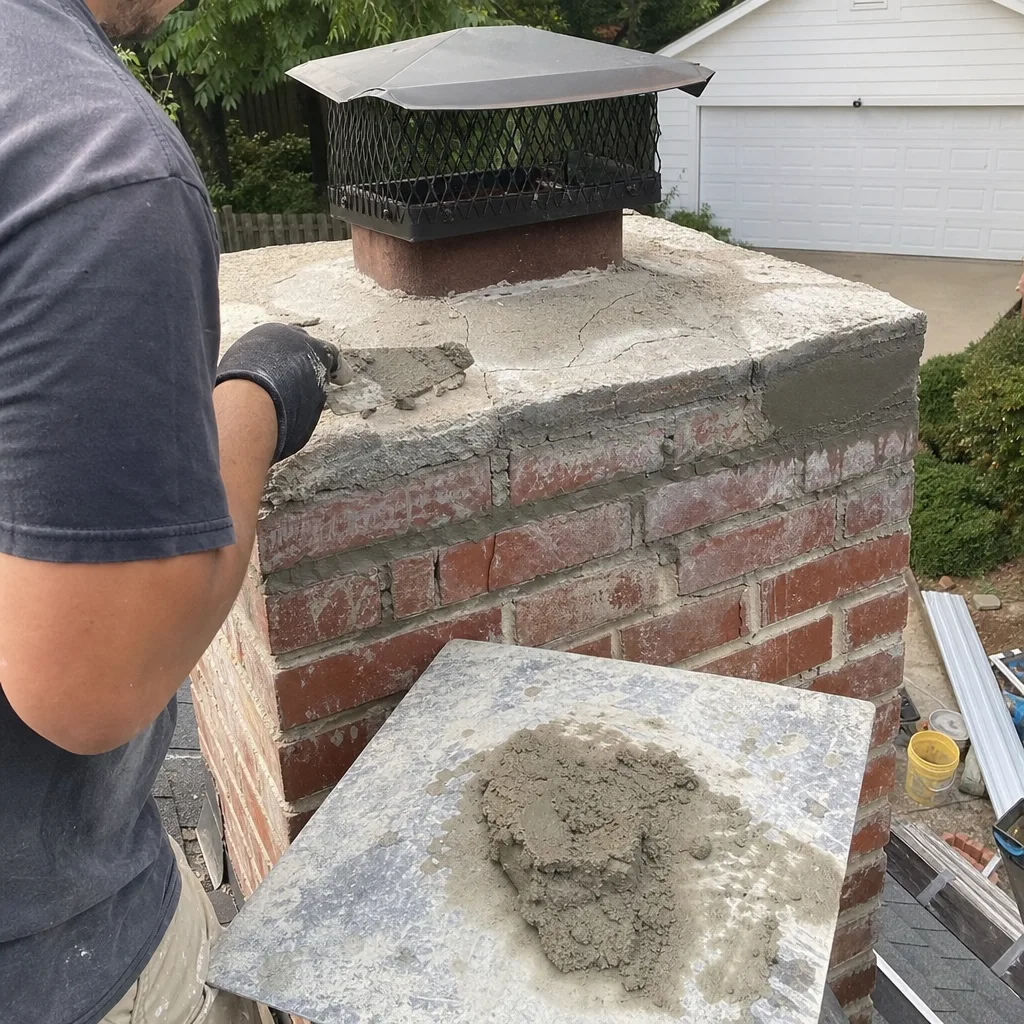
Cobb County sits on the Georgia Piedmont’s clay-rich residuum, with soil that expands when wet and contracts during drought. This seasonal heaving transmits stress to foundation-mounted structures - including chimney bases and the masonry or metal flue liners they support. The result is a pattern of damage specific to this region and invisible to surface inspection.
We’ve documented three recurring failure modes in Marietta:
- Vertical liner cracks at the smoke chamber junction. Clay soil expansion tilts the chimney base fractionally, concentrating flex stress where the firebox meets the smoke chamber. Clay flue tiles crack vertically; stainless steel liners fatigue at support joints. A flashlight from below shows soot. A camera shows the crack’s length and offset.
- Crown separation from flue tile. The crown (the concrete slab topping the chimney) should overhang the flue tile by 1/2 inch minimum with a bond break. Soil movement shears this joint, opening a gap that funnels rainwater directly onto the liner and surrounding masonry. From the ground, the crown looks intact. From the roof, or from a camera looking down, the gap is obvious.
- Chase pan corrosion in prefabricated chimneys. Marietta’s newer homes in subdivisions like Harmony Grove and Tributary use factory-built metal chimneys with chase pans (the flat or pitched top that sheds water). Clay soil movement warps the chase framing, breaking pan seals and trapping moisture. The pan rusts from below; the damage is only visible from inside the chase or with a camera dropped through the flue.
These are not theoretical risks. In 2023 we inspected a home in the Chimney Lakes area where a vertical clay tile crack had been venting combustion gases into the wall cavity for an estimated three years. The homeowner had annual “cleanings” - flashlight sweeps with no camera. The crack was visible on our first camera frame.
This is why NFPA 211 Level 2 is the correct standard for Marietta. The clay soil doesn’t care about your cleaning schedule. It moves continuously, and the documentation gap between “swept” and “inspected” is where homes become unsafe.
What a Written Price Before Work Starts Actually Protects You From
Haven Standard Clause 1 - “Have it in writing” - exists because we’ve seen what happens without it. The scenario is common enough that we maintain a Free Second Opinion service specifically for homeowners who received verbal estimates that ballooned.
Here’s how scope creep operates in chimney service:
A homeowner schedules a “$199 sweep and inspection.” The technician arrives, performs a brief visual look, and reports “serious liner damage” requiring immediate $3,800 relining. No photo evidence is offered. No written estimate is provided. The homeowner, now anxious about carbon monoxide or chimney fire, authorizes the work. The final invoice includes $1,200 in additional “discovered” charges - smoke chamber parging, crown seal, cap replacement - none of which were itemized or pre-authorized.
This is preventable by three practices we enforce on every job:
- Written price for the agreed scope before any work begins. If the camera reveals additional needs, we stop, show the homeowner the images, and provide a separate written estimate. Work proceeds only after explicit authorization.
- Photo evidence for every recommended repair. No image, no recommendation. The homeowner sees what we see, simultaneously.
- Itemized invoice matching the written estimate. No line item appears that wasn’t pre-authorized. No “miscellaneous” or “additional materials” categories.
We’ve provided second opinions in Marietta where our camera inspection revealed that the “damaged liner” was actually a normal manufacturing seam, or where the “urgent” crown repair was a 1/16-inch hairline crack appropriate for monitoring. In each case, the homeowner saved thousands because they had documentation they could compare against another professional’s documentation.
The written price is not administrative overhead. It’s the structural element that makes honest service possible. Without it, the technician has incentive to find problems. With it, the technician has incentive to document accurately - because the price is already agreed, and any additional work requires separate proof.
Chimney Repair in Marietta - when repair is genuinely needed, here’s how we scope and price it.
Common Mistakes to Avoid
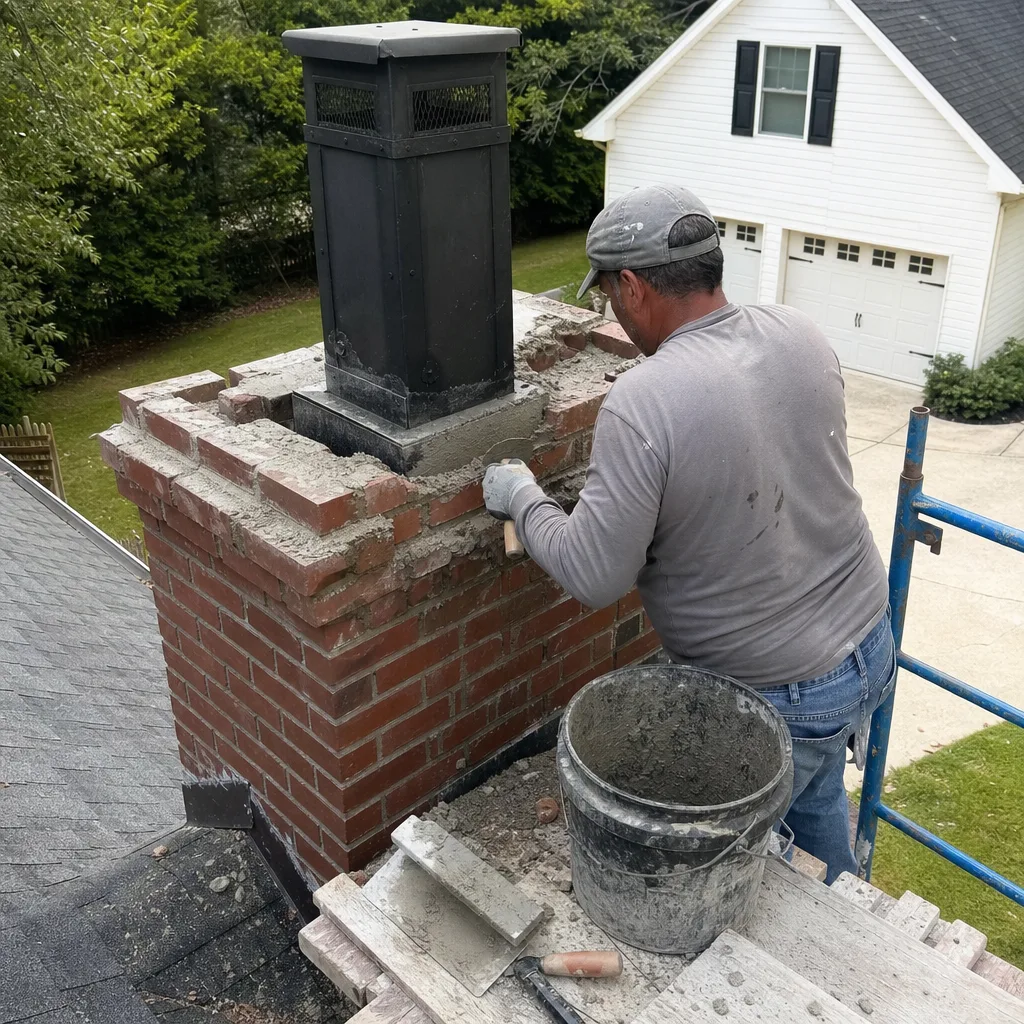
- Accepting a Level 1 sweep for a home purchase or insurance requirement. Georgia real estate transactions and most insurer questionnaires specify Level 2 inspection. A Level 1 certificate will be rejected, forcing a second service call.
- Assuming “swept” means “inspected.” Mechanical cleaning removes deposits. It does not evaluate liner integrity, crown condition, or clearance to combustibles. These require camera documentation.
- Ignoring summer oxidation. Marietta homeowners who skip annual service because “we barely used it last winter” often face heavier, harder deposits the following season due to humidity-driven creosote transformation.
- Hiring based on lowest price without verifying inspection standard. The $99 sweep coupon is almost always Level 1 with no camera, no roof access, and no written record. The true cost appears later, in failed inspections, insurance disputes, or undetected damage.
- Neglecting the smoke chamber. The smoke chamber - the area above the damper that funnels smoke into the flue - is where many Marietta chimney fires originate. It’s also the hardest area to access and clean properly. A sweep that doesn’t mention the smoke chamber specifically probably didn’t address it.
- Storing wet or unseasoned wood near the fireplace. In Marietta’s humidity, even “seasoned” wood absorbs moisture if stored improperly. Burning wood above 20% moisture content produces accelerated creosote formation and acidic condensate that damages stainless steel liners.
- Failing to request the photo record. Even sweeps who perform camera scans sometimes don’t provide the files to homeowners. The record is your property. Request it, keep it with your home maintenance files, and provide copies at sale or claim time.
When to Call a Professional
Call for service before the burning season begins - typically September or October in Marietta - when sweep schedules open and you’re not competing with emergency calls during the first cold snap. Specific triggers: visible creosote flakes in the firebox, smoke spillage into the room during startup, a persistent odor of burned wood when the system is idle, or any performance change after a seismic event or nearby construction vibration.
If you’re selling your home, refinancing, or changing insurers, schedule Level 2 inspection proactively. The documentation takes 24-48 hours to prepare, and transaction deadlines don’t wait.
Emberly Chimney Cleaners Marietta offers free estimates in Marietta - call (470) 288-2763. Our live phone support runs 24 hours a day, 7 days a week. You’ll speak to a person, not a voicemail system, and we’ll text when your assigned technician is en route.
Fireplace Services in Marietta - for gas fireplace maintenance, insert service, and troubleshooting.
Frequently Asked Questions
A standard chimney sweep with NFPA 211 Level 2 camera inspection in Marietta typically costs between $175 and $325, depending on system type, accessibility, and creosote severity. Basic Level 1 sweeps run lower but exclude the camera documentation that insurers and real estate transactions require. Call (470) 288-2763 for an exact quote - estimates are free.
Most Marietta homeowners need annual sweeping due to Georgia’s humid summers, which oxidize residual creosote into harder, more corrosive deposits. If you burn more than one cord of wood per season, use the fireplace for primary heat, or notice slow draft or smoke spillage, schedule inspection regardless of calendar. The NFPA 211 guideline - “inspect annually and clean as needed” - assumes moderate use in a drier climate than Cobb County’s.
You need a new flue liner only if camera inspection documents damage that creates a safety hazard: cracks that compromise containment, gaps at tile joints, or corrosion holes in metal liners. We provide photo evidence and a separate written estimate before recommending replacement. Many “liner replacement” recommendations we’ve second-opinioned in Marietta were based on flashlight inspections or manufacturing seams misidentified as cracks. The camera decides; not the technician’s verbal claim.
Skipped cleaning allows creosote accumulation, which restricts draft and provides fuel for chimney fires. In Marietta’s humidity, the risk compounds: oxidized creosote ignites at lower temperatures and burns more intensely than fresh deposits. Carbon monoxide hazard increases if liner damage goes undetected. Insurance claims may be denied if post-fire investigation shows the chimney was not maintained to NFPA standards. Documentation, not just cleaning, is what protects you in each scenario.
A sweep is mechanical cleaning of deposits. An inspection is evaluation of system condition. They are separate operations under NFPA 211, though Level 2 inspection is typically performed in conjunction with cleaning. You can inspect without sweeping (to evaluate condition before purchase) but you should not sweep without inspecting - the camera pass before and after cleaning documents that deposits were removed and that no damage occurred during the work.
Chimney cleaning does not require a permit in Marietta or Cobb County. Structural repairs, liner replacement, and chimney rebuilds may require permits depending on scope and location within city limits versus unincorporated county. We handle permit research and application as part of any repair scope we quote. For cleaning and Level 2 inspection, no municipal authorization is needed.
Mechanical brushing of a simple, straight masonry flue from the top down is physically possible for a homeowner with proper ladders, fall protection, and brush sizing knowledge. We don’t recommend it. Marietta’s clay soil movement patterns mean liner cracks and crown separation are common findings that no homeowner brush will detect. The safety value is in the camera documentation, not the deposit removal. For prefabricated metal chimneys, factory warranty often requires professional service with documented inspection.
The Bottom Line
Chimney cleaning in Marietta is not a maintenance checkbox. It’s a documentation chain that begins with a camera scan, continues through mechanical work with photo verification, and ends with a written record your insurer, buyer, or attorney can read. The NFPA’s statistic about “recently cleaned” chimneys failing exists because cleaning without documentation proves nothing about system condition.
Emberly Chimney Cleaners Marietta has operated under this standard since 2009. Every one of our 38,000+ jobs has carried a written price before work started and a photo record when it finished. If you’re scheduling service, ask any sweep these questions: Will you camera-scan before and after? Will I receive the images? Will the price be in writing before you begin? The answers separate documentation from decoration.
Call (470) 288-2763 for a free estimate. Our live phone support is available 24 hours a day, 7 days a week, and we’ll text when your technician is on the way. Emberly Chimney Cleaners Marietta home
Written by Corrine Halstead, Owner at Emberly Chimney Cleaners Marietta, serving Marietta since 2009.